Basque Country
No region in Spain converts a single meal into a program anchor the way the Basque Country does. San Sebastián alone carries one of the highest concentrations of Michelin stars per capita anywhere in the world, but the region reaches well past a tasting menu: a working fishing coast, cider houses that fill each January with communal tables and full-throated tradition, and wine country that runs straight into La Rioja all sit within a short drive. The profiles below show you which of your clients belongs here and how the Basque Country fits into the rest of their Spain program.
Who this region suits
Match your client to the Basque Country.
San Sebastián draws the first inquiry, but the region rewards different clients in different ways. These are the profiles that get the most out of it.
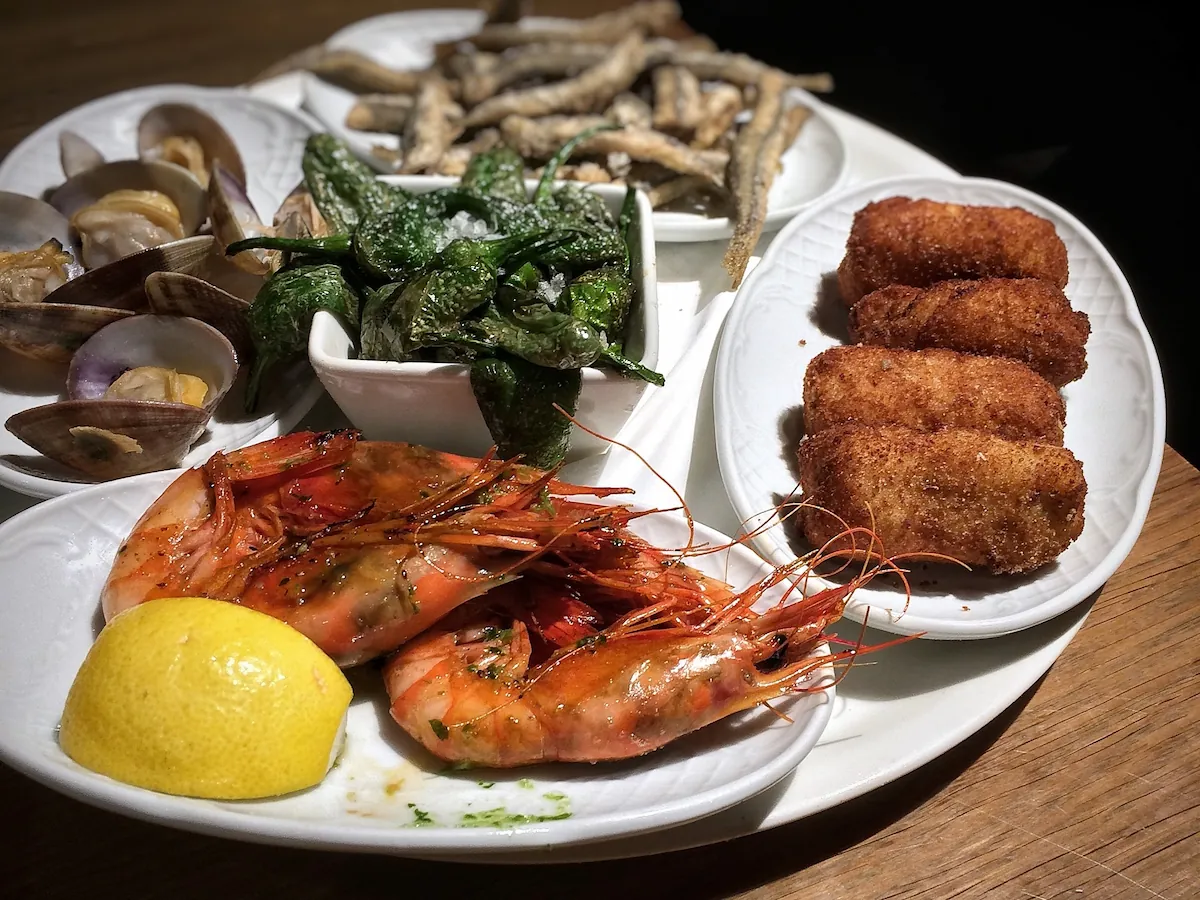
The pintxos client.
San Sebastián's Parte Vieja turns dinner into a bar-hopping circuit, a different chef's specialty at every stop. The city holds one of the world's highest concentrations of Michelin stars per resident, but the real education happens standing at a zinc counter.
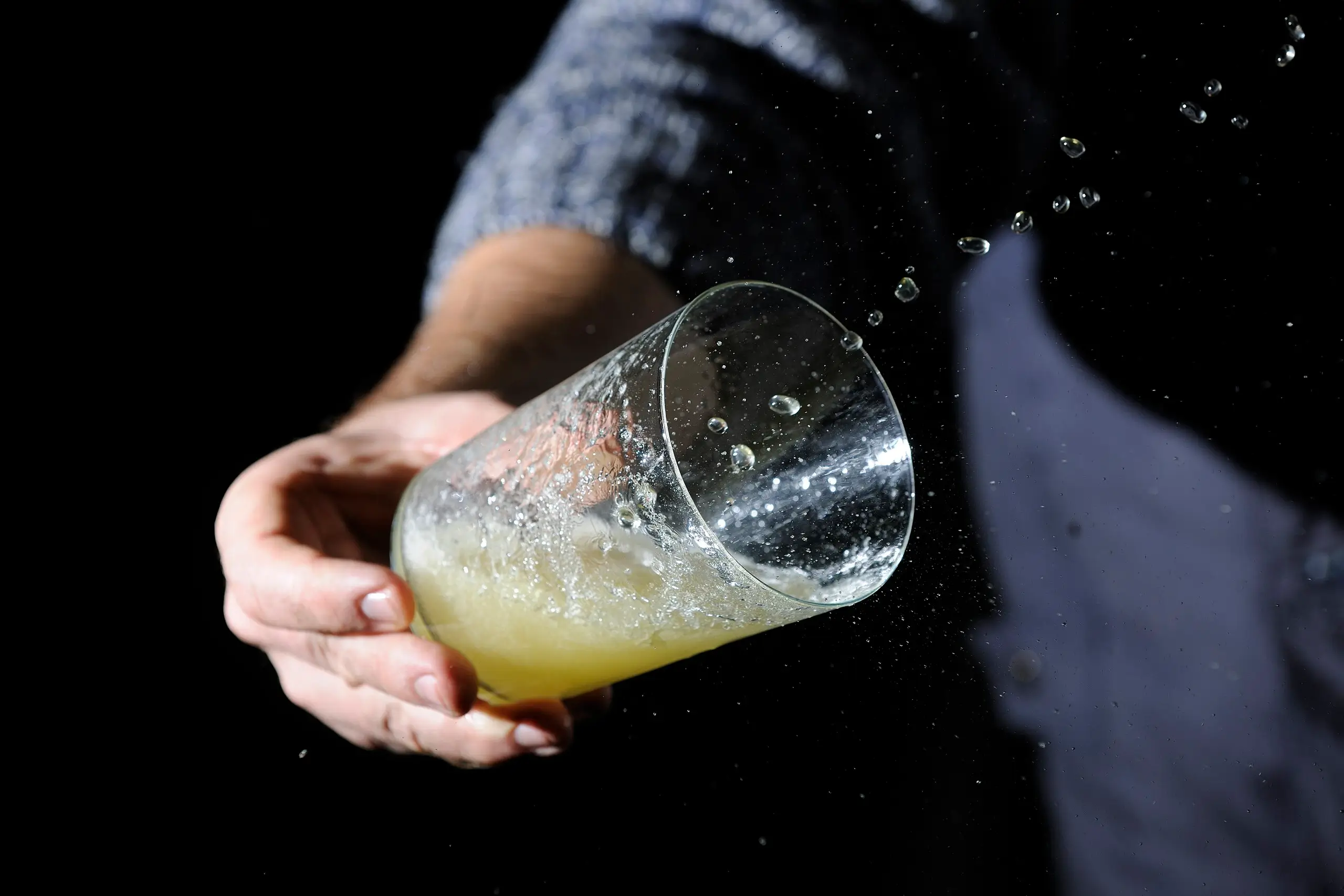
The heritage client.
Every January, cider houses around Astigarraga and Hernani reopen for txotx season, the room shouting toward the barrel for a glass poured straight from the cask. Turbot and sea bream cook over charcoal at coastal asadores, one thread in a culture built on centuries-old festivals and members-only gastronomic societies. Basque identity predates the Celts, Romans, and Moors, one of the world's oldest cultures and still a genuine puzzle to anthropologists.
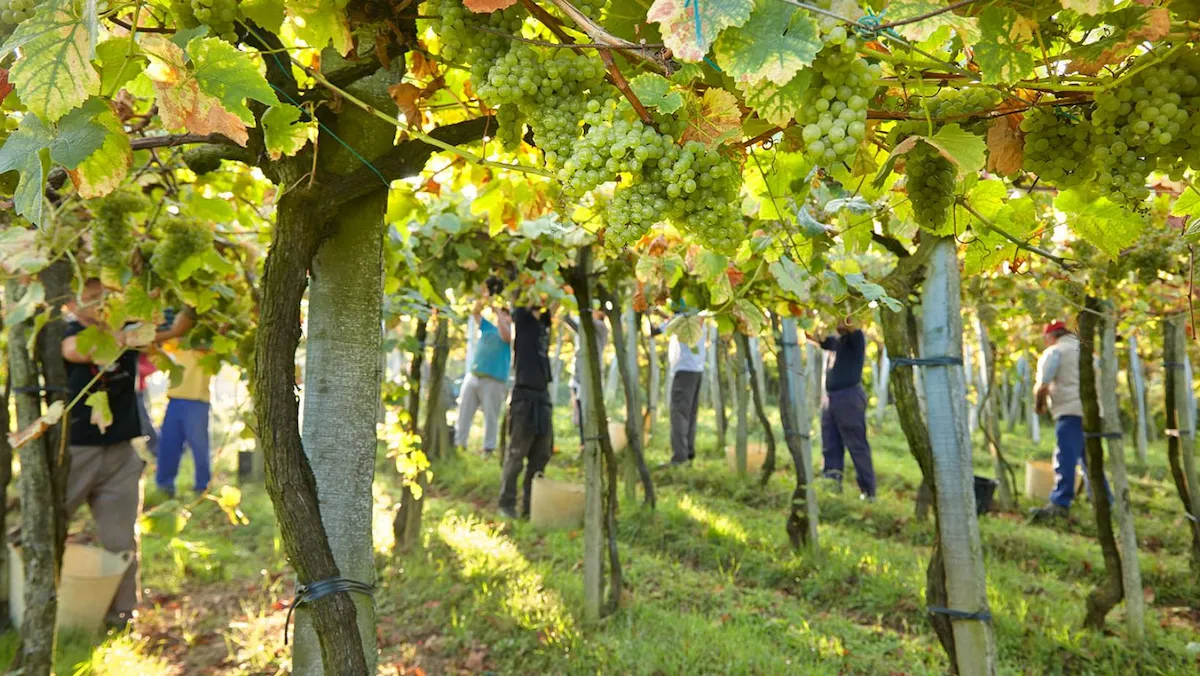
The wine and countryside client.
Txakoli, a sharp, faintly sparkling white, grows on steep coastal vineyards above Getaria and Zarautz and gets poured tableside with a theatrical high-arm pour. Inland, Basque wine country runs straight into La Rioja without a single change of region.
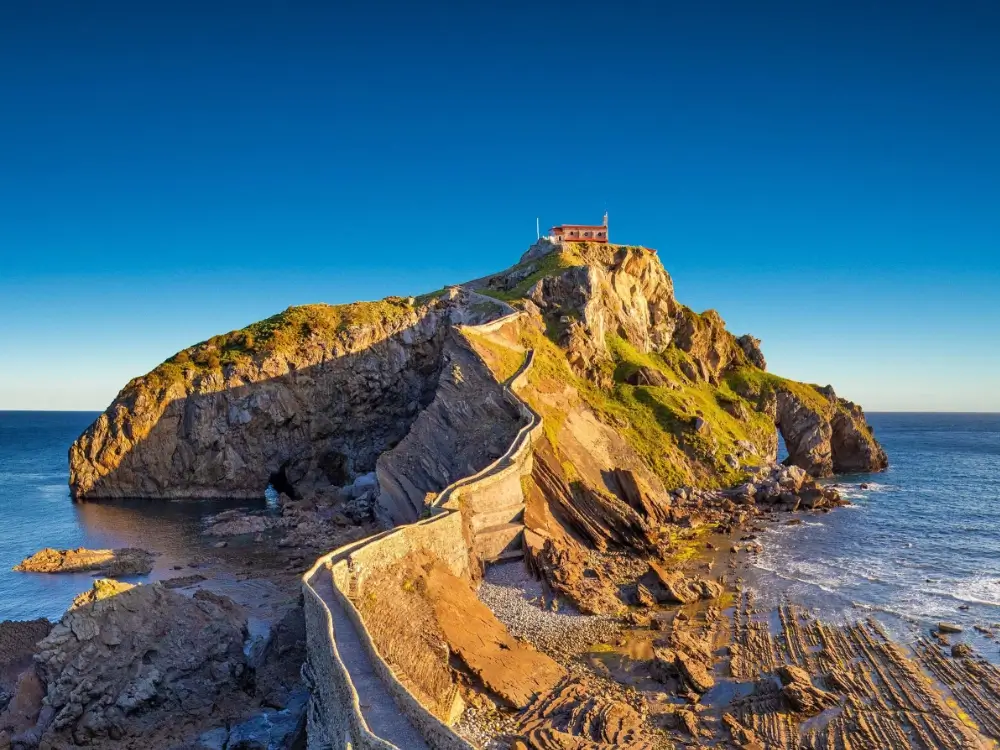
The coastal client.
San Juan de Gaztelugatxe's stone chapel sits atop an islet reached by 241 steps carved into the cliff, a single image for a coastline that runs from working fishing ports to La Concha's shell-shaped bay in San Sebastián.
Programs in this region
Basque Country itineraries from the portfolio.
Three programs that route through the Basque Country, from a capital-to-north pairing to a full national arc.
Madrid + Basque Country
Northern Crossroads
8 nights
Madrid, Bilbao, and San Sebastián, built for clients who want Spain's food and design culture without the southern circuit. Pintxos bars, Michelin-starred dining rooms, and the Guggenheim carry the program from the capital north.
Basque Country + La Rioja
Basque + Rioja
7 nights
Bilbao and San Sebastián paired with Logroño's wine country, a premium program for clients who want Basque cuisine and Rioja's vineyards on a single line. Top wineries fill nine to twelve months out for harvest season.
Andalusia + Madrid + La Rioja + Basque Country
Spain South to North
14 nights
Seville and Granada open the program, Madrid and Logroño's wine country carry the middle, and San Sebastián closes it: a flagship route moving from Moorish Andalusia to the Basque north over two full weeks.
For travel professionals
Planning a Basque Country program.
Operational context for advisors and operators building the Basque Country into a Spain program.
When to come
April through December covers most of the operating calendar, wider than Spain's southern circuit thanks to a temperate Atlantic climate. Mid-August brings San Sebastián's Semana Grande, a nightly international fireworks competition over La Concha that fills the city for the week. September brings the La Rioja harvest for programs pairing Basque Country with wine country, tightening winery inventory well ahead of the date.
Getting here
Bilbao Airport (BIO) is the region's primary gateway, about ten kilometers from downtown and twenty minutes by taxi. San Sebastián sits roughly one hour east by road; from Madrid, the region is a five-hour drive or a short flight, with no direct high-speed rail link in place yet.
Group considerations
Pintxos evenings work best split into clusters of eight to ten travelers per bar rather than one large group moving as a unit. The Guggenheim requires timed group tickets booked at contracting, and top Rioja wineries cap group visits around twenty.
What defines this region
Three things every Basque Country program should account for.
The region built its culinary reputation, its architecture, and its own language before most clients arrive with any frame of reference for them.
Basque cuisine earned its density through institutions, not luck.
Read the full story
The txoko, a private gastronomic society where members cook and eat together, dates back to the nineteenth century in San Sebastián and still operates today, though most remain closed to outsiders. For generations these clubs functioned as informal cooking schools, judged by peers rather than critics, and that competitive, technique-focused culture fed directly into the Basque New Cuisine movement of the 1970s and 1980s, when chefs including Juan Mari Arzak began applying French technique to Basque ingredients and pushing the results into public dining rooms rather than private kitchens. The pintxos bar, in turn, is the txoko's democratized cousin: a small, standing-room counter where a single dish gets perfected and repeated rather than reinvented nightly, which is why a single Parte Vieja street can hold a dozen bars each known for exactly one thing done extremely well. The Michelin density that follows from all of this is a symptom of the culture, not the cause of it.
Bilbao rebuilt itself around a single building, then kept building.
Read the full story
Before 1997, Bilbao's riverside was dockland and heavy industry in decline, a shipbuilding and steel economy that had shrunk through the 1980s and left the Nervión River lined with disused warehouses. The Guggenheim Museum, Frank Gehry's titanium-clad structure, opened that year and is widely credited with proving that architecture alone could redirect a city's economic identity, a phenomenon now studied elsewhere as the Bilbao Effect. What distinguishes Bilbao from a one-building story is what came after: the Zubizuri footbridge by Santiago Calatrava, a metro system designed by Norman Foster, and the Azkuna Zentroa cultural center, a repurposed 1909 wine warehouse reopened by Philippe Starck. Each project extended the same commitment to design rather than treating the Guggenheim as a finished chapter, which is why a Bilbao program built around one museum visit misses most of what the city actually offers a design-literate client.
Euskara predates every other language spoken in Spain.
Read the full story
Euskara is not a Romance language, not Indo-European at all, and linguists have never conclusively traced it to any other language family, living or dead, anywhere in the world. It survived the Roman occupation of Iberia and the later arrival of Spanish and French as the dominant languages around it, likely because the mountainous Basque terrain kept the region more isolated than most of the peninsula. Road signs, shop names, and menus across the region appear in both Euskara and Spanish, and words that sound entirely unfamiliar to a Spanish-speaking traveler, agur for goodbye, eskerrik asko for thank you, are common enough that a guide can turn them into a genuine point of orientation rather than a curiosity. The region's identity runs through more than language: pelota, the traditional court sport played with a ball and a hand or paddle, and the txoko cooking societies both developed independently of the rest of Spain, reinforcing a culture that reads as distinct rather than regional.
Common questions
Basque Country: what advisors and operators ask.
Should a Basque Country program stand alone or pair with another region?
Both work, and the choice depends on the client's appetite for range. Northern Crossroads pairs Madrid with Bilbao and San Sebastián, a straightforward capital-to-north itinerary that suits first-time Spain travelers who want design and food culture without the southern circuit. Basque + Rioja carries the region into wine country for a premium, culinary-focused audience. Spain South to North treats the Basque Country as the closing chapter of a full national arc, starting in Andalusia and building north over two weeks, which suits comprehensive Spain travelers rather than a first, focused visit.
How many days does a group need to cover both Bilbao and San Sebastián?
Two nights in Bilbao covers the Guggenheim, the Casco Viejo old town, and a pintxos evening without feeling rushed. San Sebastián rewards at least two full days: one for La Concha and Parte Vieja, a second for a countryside or coastal add-on such as Getaria's txakoli vineyards or San Juan de Gaztelugatxe. Programs that treat San Sebastián as a single overnight stop consistently under-deliver relative to the city's reputation, since its pintxos culture is built around repeat visits to multiple bars over multiple nights, not one dinner.
Does the Guggenheim require advance booking for groups?
Yes. The Guggenheim sells timed group tickets that should be booked at contracting rather than assumed available same day, particularly during summer and around Bilbao's arts festivals. Smaller design-focused sites, the Zubizuri footbridge and the Azkuna Zentroa cultural center, are open public spaces with no ticketing, so they add flexibility to a day plan built around a fixed Guggenheim entry slot.
Is San Sebastián's pintxos scene something a large group can experience authentically?
It depends on how the group moves. A single group of twenty-four descending on one bar overwhelms a counter built for a dozen standing guests and flattens the experience into a seated banquet, which misses the point entirely. The stronger version breaks the group into clusters of eight to ten, each following a guide through a different sequence of Parte Vieja bars, then regrouping for a final stop. That structure preserves the bar-hopping rhythm that makes pintxos culture work, rather than replacing it with a single static meal.
When is the best time to run a Basque Country program?
April through December covers most of the operating calendar, a wider window than Spain's southern circuit thanks to a temperate Atlantic climate that rarely produces the extreme summer heat of Andalusia. September brings the La Rioja harvest for programs pairing Basque Country with wine country, which tightens winery inventory nine to twelve months out. Winter is workable for culinary-focused programs willing to trade shorter days and heavier rain for lower rates and a quieter Parte Vieja, but it is a harder sell for clients expecting coastal or outdoor time.
How does the Basque Country connect to Madrid and La Rioja for a multi-region program?
Madrid to Bilbao runs about five hours by road or a short flight; no direct high-speed rail line reaches the Basque Country yet, unlike the AVE network serving the south and east. Logroño, the gateway to La Rioja, sits roughly ninety minutes south of Bilbao and about an hour from San Sebastián by road, which is why Basque + Rioja and Spain South to North both route wine country as a direct extension of the Basque leg rather than a separate detour.
Is Bilbao worth the time, or should a program focus entirely on San Sebastián?
San Sebastián is the stronger draw for most clients and should anchor the program, but Bilbao earns its place rather than functioning as a layover. The Guggenheim gave the city a reason to rebuild, and it kept building afterward: the Zubizuri bridge, the Metro system designed by Norman Foster, and the Azkuna Zentroa cultural center all followed. Two nights in Bilbao before continuing to San Sebastián gives design-oriented clients a complete architecture narrative rather than a single museum stop, and it costs the program only one extra overnight.
What group size works best for a Basque Country program?
Groups up to twenty-four run comfortably through Bilbao and the region's coastal sites, but two constraints shape the upper end. Pintxos evenings work best split into smaller clusters regardless of total group size, so a larger group simply means more clusters rather than a different format. Top Rioja wineries included on Basque + Rioja cap group visits around twenty, which sets a practical ceiling for programs pairing the Basque Country with wine country specifically, even when the rest of the itinerary could handle a larger party.
Does San Sebastián's Semana Grande fireworks competition change how a program should be planned?
San Sebastián already runs at its busiest during August, and Semana Grande, the city's summer festival week featuring a nightly international fireworks competition over La Concha, adds a further layer of demand on top of an already-peak month. Restaurant reservations and hotel rooms tighten beyond a typical August week, so programs touching the festival should contract at least six months out rather than treating it as a standard summer date. The fireworks reward clients who want spectacle and civic energy, similar in spirit to Valencia's Las Fallas, though on a smaller scale and without the same disruption to daily sightseeing. Clients who prefer a quieter beach week are better served visiting outside this specific week.