Mallorca
Most trade partners default to picturing Mallorca as a beach add-on tacked onto a Barcelona program. That undersells an island built around a genuine hiking and cycling network, sea caves, and coves reached only by boat, with village culture, historic Palma, and a native wine identity layered underneath. The profiles below show which of your clients belongs here and how far past the coastline a Mallorca program can actually go.
Who this region suits
Match your client to Mallorca.
Every client pictures beach chairs first. These are the profiles that use the rest of the island.
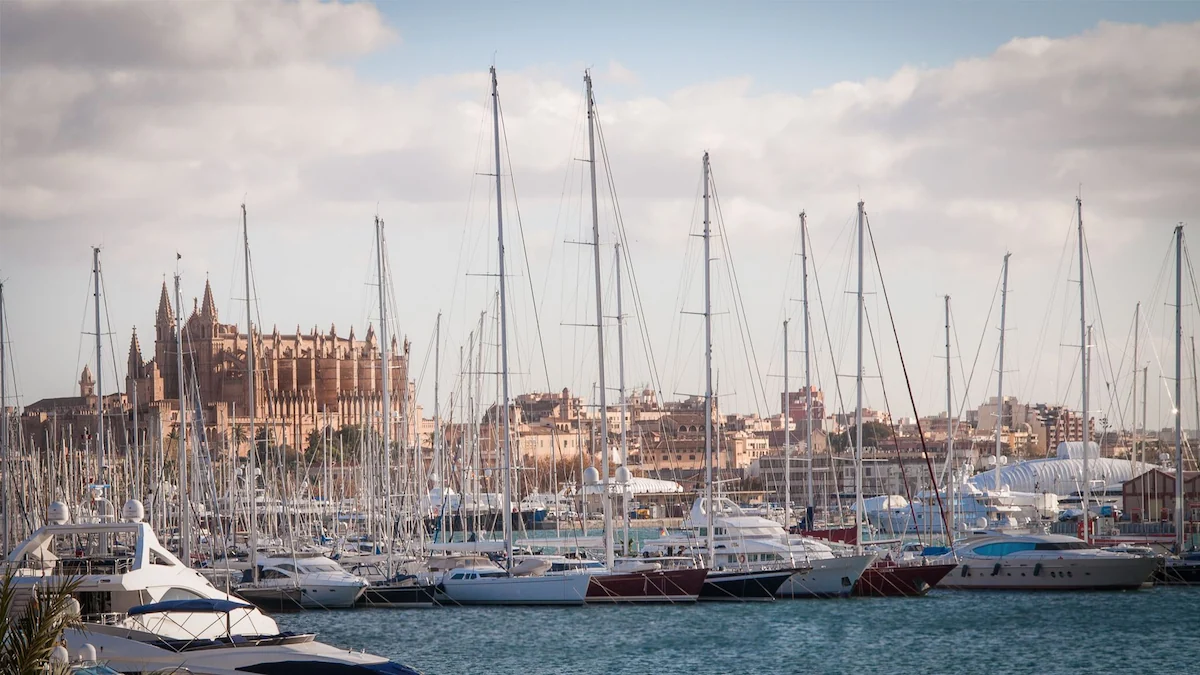
The water and coastal client.
Snorkeling and swimming off coves like Es Trenc and Cala Mondragó only start the list. A private sailing charter out of Palma marina reaches stretches of coastline no road touches, and coasteering and kayaking work the rocky calas further out.
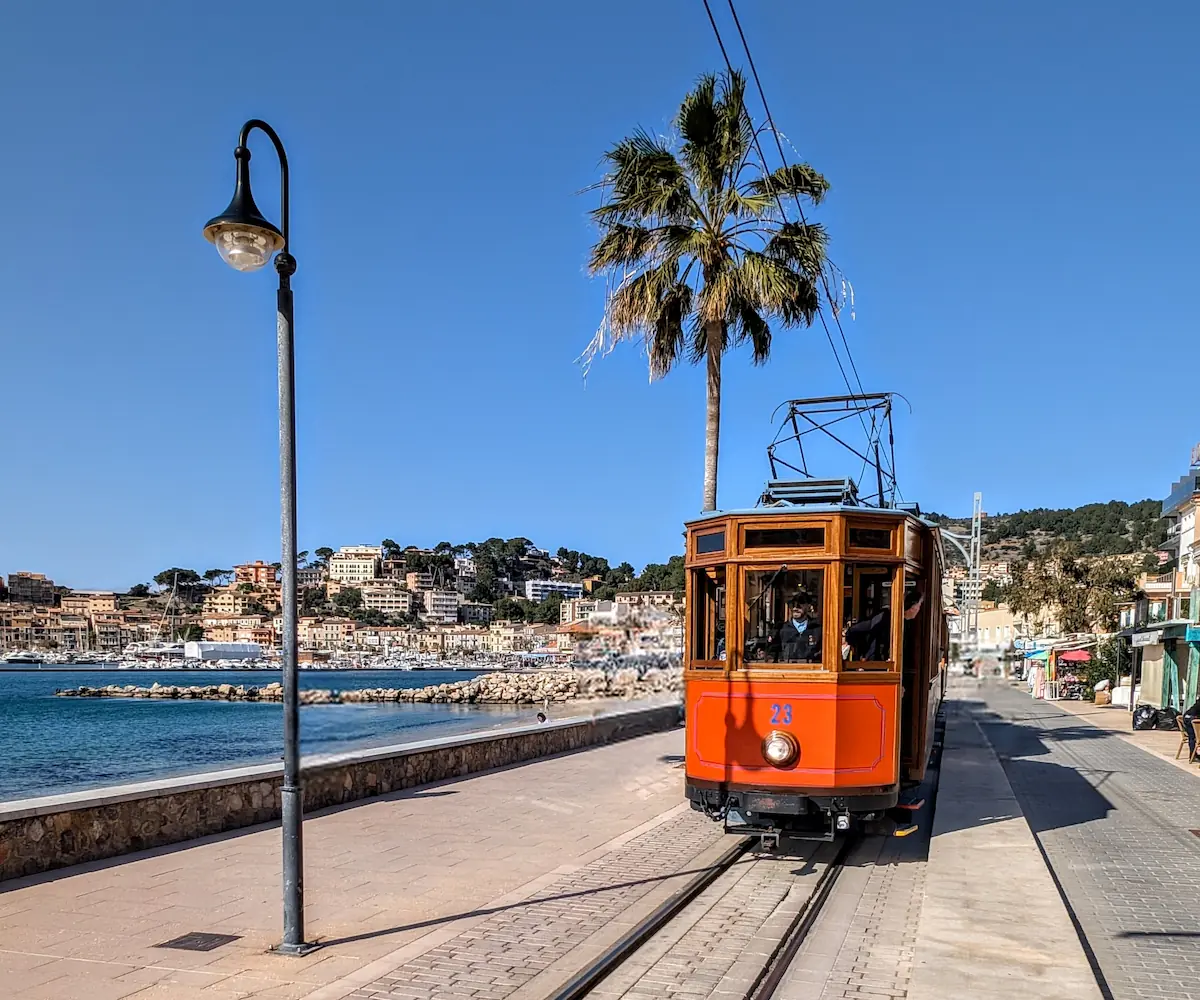
The active outdoors client.
The Serra de Tramuntana carries the GR221 trail across terraced hillsides built centuries before hiking became a pastime. The same mountain roads draw professional cycling teams for winter training, and the Palma-Sóller train drops riders and hikers at the trailhead.
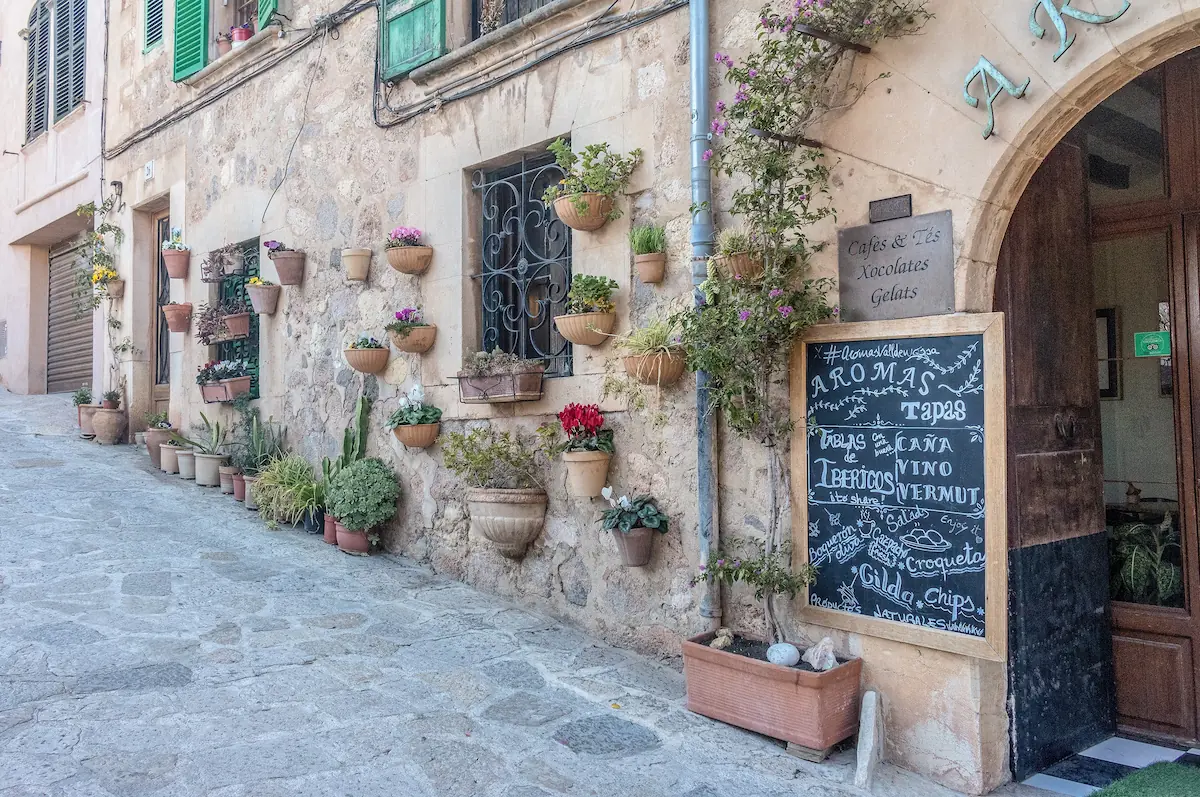
The village and culture client.
Valldemossa's stone lanes and potted geraniums earned Chopin and George Sand's devotion during a single hard winter there in 1838. Deià and Sóller carry the same artist-colony character today, small enough that a morning walk covers the whole village.
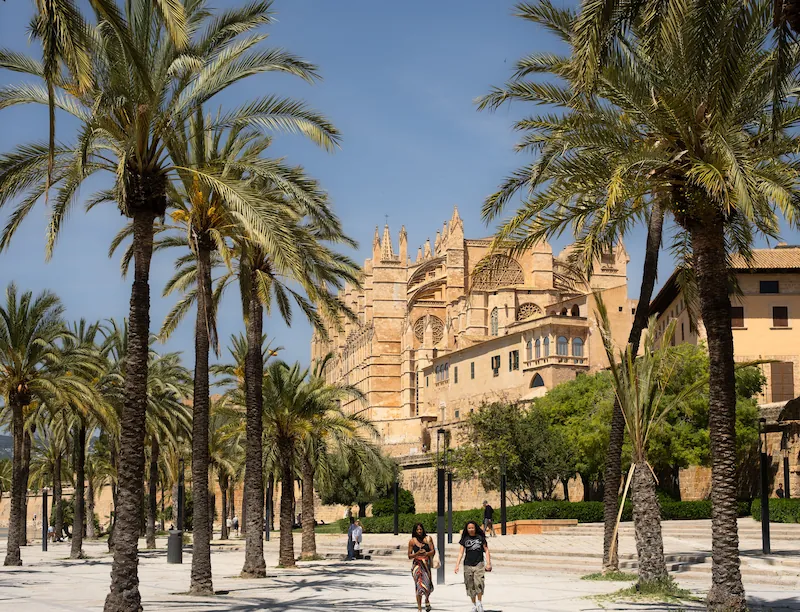
The history and wine client.
Palma's Gothic cathedral, La Seu, rises directly off the harbor, with Arab baths and Modernist facades layered into the old town around it. Inland, native grapes like Callet and Manto Negro produce wines found on almost no wine list outside the island.
Programs in this region
Mallorca itineraries from the portfolio.
Three programs that put Mallorca on the map, from a coastal contrast to Barcelona to a single-island retreat built entirely around the outdoors.
Madrid + Catalonia + Balearics
Capital to Coast
9 nights
Madrid, Barcelona, and Palma de Mallorca, sequenced so the island lands as the payoff after two capital cities. AVE rail carries the mainland leg, and a short flight closes the loop into Mallorca.
Catalonia + Balearics
Mediterranean Tapestry
7 nights
Barcelona and Palma de Mallorca on a shorter, two-stop line for leisure and coastal clients who want island contrast without a full national circuit. Air and ferry connections between the two run reliably through the season.
Balearics (Mallorca only)
The Mallorca Retreat
7 nights
A single-island program built around a private sailing charter, a Tramuntana wine tasting, and an olive oil estate experience, based first on the coast and then inland. Vessel and estate format scale with group size.
For travel professionals
Planning a Mallorca program.
Operational context for advisors and operators building Mallorca into a Spain program.
When to come
April through October covers the outdoor season, though the activity shifts the calendar. Hiking and cycling peak in spring and fall, avoiding summer heat on exposed trail sections. Water sports and sailing run best June through September, when sea conditions are calmest and swimming water is warmest.
Getting here
Palma de Mallorca Airport (PMI) is the primary gateway, about eight kilometers from the city center. A direct overnight ferry also runs from Barcelona, roughly seven to eight hours, an option some clients prefer over flying.
Group considerations
The Coves del Drach caves run on timed entry and fill quickly in summer, so tickets should be booked at contracting. Private sailing charters and Tramuntana wine tastings run on limited vessel and venue capacity, scaling with group size rather than the twenty-four-traveler ceiling used elsewhere.
What defines this region
Three things every Mallorca program should account for.
The island earned its outdoor reputation, its cave systems, and its wine identity from geology and history most clients never connect to a beach vacation.
Mallorca's interior is a working landscape before it is a hiking destination.
Read the full story
UNESCO designated the Serra de Tramuntana a World Heritage cultural landscape in 2011, a category reserved for terrain shaped by centuries of human work rather than left untouched. The dry stone walls, terraced hillsides, and gravity-fed irrigation channels running through the range were built to grow olives and citrus on mountain slopes with almost no flat ground, a farming system that predates any tourism infrastructure by hundreds of years and remains partly active today. The GR221, also known as the Ruta de Pedra en Sec, or Dry Stone Route, runs through this working landscape rather than around it, which is why a hiking client on the trail passes working groves and stone huts, not staged scenery. The same terrain and mild winter climate draw professional cycling teams to the island every January through March, including the climb to Sa Calobra, a switchback road built in 1932 that remains one of European cycling's most recognized training routes.
Mallorca's caves formed from the same geology that shaped its coastline.
Read the full story
Mallorca sits on limestone bedrock that groundwater has been dissolving for millions of years, a karst process that produced both the island's cave systems and the sea caves and sheer coves along its coastline, the same underlying geology expressed above and below ground. The Coves del Drach were first mapped in 1896 by French speleologist Édouard-Alfred Martel, whose name was given to the underground lake found deep inside, one of the largest underground lakes in the world. Today, visitors reach the lake on a walking route through illuminated chambers before a chamber concert, performed by musicians on small boats, plays across the water. Other systems, including the Coves dels Hams and Coves de Campanet, offer smaller, quieter versions of the same geology for clients who want the experience without a large group moving through it.
Mallorca grows wine found nowhere else, because phylloxera never fully reached it.
Read the full story
Phylloxera, a root louse that arrived in Europe from North America, destroyed the majority of the continent's vineyards between the 1860s and the early 1900s, forcing most wine regions to replant on resistant American rootstock and, in the process, lose much of their original genetic diversity. Mallorca's island geography slowed the insect's spread, and pockets of the island's native varieties, including Callet, Manto Negro, and the white grape Prensal Blanc, survived on original rootstock longer than almost anywhere else in Europe. Two designated wine zones, Binissalem and Pla i Llevant, now anchor the island's production, most of it from small, family-run estates in the foothills of the Tramuntana rather than large commercial operations. The result is a wine identity built on grapes a client will not find on a wine list anywhere outside the island, a genuine point of distinction rather than a marketing claim.
Common questions
Mallorca: what advisors and operators ask.
Should a Mallorca program stand alone or pair with another region?
Both work, and the choice depends on how much of the mainland the client wants to see first. Capital to Coast pairs Madrid and Barcelona with Palma, using the island as the payoff after two capital cities. Mediterranean Tapestry is a shorter, two-stop line with Barcelona alone, built for clients who want coastal contrast without a longer circuit. The Mallorca Retreat treats the island as a complete program on its own, built entirely around sailing, hiking, and wine, which suits repeat Spain clients or anyone who wants depth on one island rather than a multi-stop itinerary.
Is Mallorca only a beach destination, or does it work for active and adventure-focused clients?
Mallorca supports active programming as well as, or better than, most of the Spanish coastline. The Serra de Tramuntana carries the GR221 long-distance trail across terraced mountain terrain, the same roads draw professional cycling teams for winter training, and the coastline includes sea caves and coves reachable only by boat or on foot. A program built primarily around hiking, cycling, sailing, and coasteering, with village culture and wine layered in, gives an accurate picture of the island. Treating Mallorca as a beach add-on undersells what a client can actually do there.
What time of year is best for a Mallorca program built around outdoor activity?
The right season depends on which activity leads the program. Hiking and cycling clients are better served in spring or fall, when Tramuntana trail and road temperatures stay comfortable; this is also when professional cycling teams train on the island, which adds a point of interest for cycling-focused groups. Water sports and sailing clients want June through September, when sea conditions are calmest and swimming water has warmed. A program mixing both should weight its outdoor days toward the shoulder season and treat peak summer as the water-focused window.
Do the Coves del Drach or other Mallorca caves require advance booking for groups?
Yes. Coves del Drach runs on a timed entry schedule and sells out its group slots during summer, so tickets should be booked at contracting rather than assumed available on arrival. The cave includes a live classical concert performed on Lake Martel, which runs on a fixed schedule several times daily. Smaller, less-visited systems such as Coves dels Hams offer a quieter alternative for clients who want the geology without the crowd, though Coves del Drach remains the stronger choice for a group's single cave visit.
Can a larger group experience Mallorca's sailing and yacht excursions, or is that limited to small private parties?
Sailing scales with group size rather than capping it. A private charter for a couple or small family runs on a smaller vessel suited to that party, while a larger group moves to a higher-capacity boat built for the same route and format. What changes is the vessel and, at larger sizes, the specific coastal experience paired with it; the structure of a day on the water, coves reached only by sea, a swim stop, lunch afloat or ashore, stays consistent. Confirm vessel capacity and route at contracting once group size is known.
Is Mallorca's cycling scene only for serious or competitive cyclists?
No. The same roads that draw professional teams for winter training, including the climb to Sa Calobra, also support guided leisure rides at a much gentler pace, and e-bikes are widely available for clients who want the scenery without the effort. A cycling day can be pitched at whatever level the client group actually rides, from a flat valley loop near Sóller to a full mountain ascent. The professional training reputation is a selling point for framing the destination, not a requirement for who can enjoy it.
What group size works best for a Mallorca program?
Most of the island, Palma's old town, hiking trails, cycling routes, and coastal towns, runs comfortably for groups up to twenty-four. Two experiences narrow that range: Coves del Drach sells timed group tickets that cap visit sizes, and sailing charters are built around a specific vessel's capacity, so larger groups require a larger boat confirmed in advance rather than simply adding guests to a smaller one. Wine tastings at family-run estates in the Tramuntana also run smaller, more intimate groups more comfortably than a full coach party.
How does Mallorca connect to Barcelona and the mainland for a multi-region program?
Palma de Mallorca Airport has frequent short flights to and from Barcelona and Madrid, typically under an hour and a half in the air. A direct overnight ferry also runs between Barcelona and Palma, roughly seven to eight hours, which some clients prefer over flying, particularly on programs already built around slower travel. There is no rail option since Mallorca is an island; every multi-region program pairing it with the mainland routes through one of these two connections.
Does Mallorca have a genuine wine identity worth featuring on a program, or is it mostly imported wine culture?
It is genuine and distinctive enough to anchor a wine-focused day rather than support one. Native grape varieties including Callet, Manto Negro, and Prensal Blanc survived on the island when phylloxera devastated mainland European vineyards in the late nineteenth century, leaving Mallorca with older vine stock and grapes rarely found on wine lists outside the island. Production across both of the island's designated wine zones stays small and mostly family-run, which suits a client looking for a wine experience with a genuine story rather than a recognizable label.