Madrid
Madrid is the starting point for most Spain programs, and for good reason. The airport handles the most transatlantic connections in the country. The AVE high-speed rail network radiates outward from the city to Seville, Barcelona, Malaga, and beyond. The hotel inventory is the deepest in Spain at every price point. But Madrid also works as the entire program. Three major art museums within a ten-minute walk of each other. A food culture that runs well past midnight. Neighborhoods with distinct characters that reward time on foot. The profiles below show you which of your clients belongs here and how much of the program Madrid should claim.
Who this region suits
Match your client to Madrid.
Madrid functions differently depending on what your client is looking for. These are the profiles that arrive and leave satisfied.
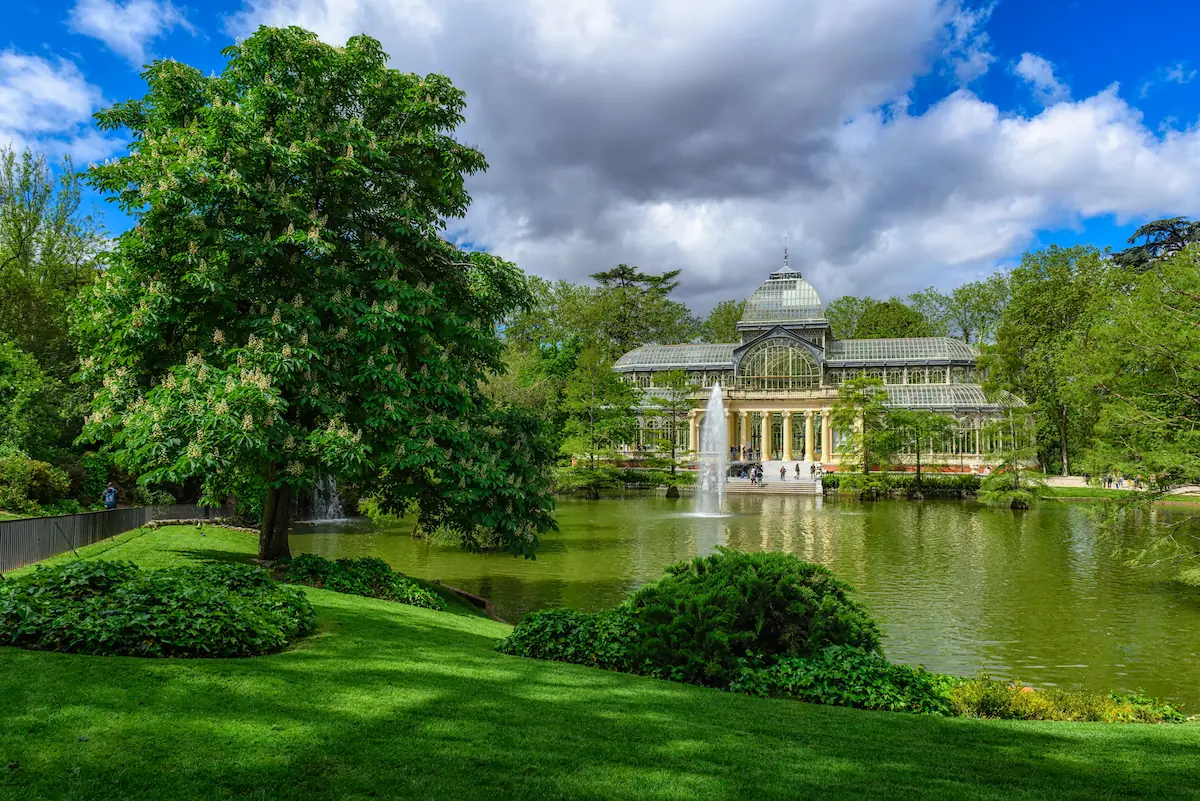
The museum client.
The Prado alone justifies a Madrid stop: Las Meninas in room 12, Goya's Black Paintings in their own dedicated space. Ten minutes south, Guernica hangs in the Reina Sofia in a room built around it. Three days is not enough to run out of material.
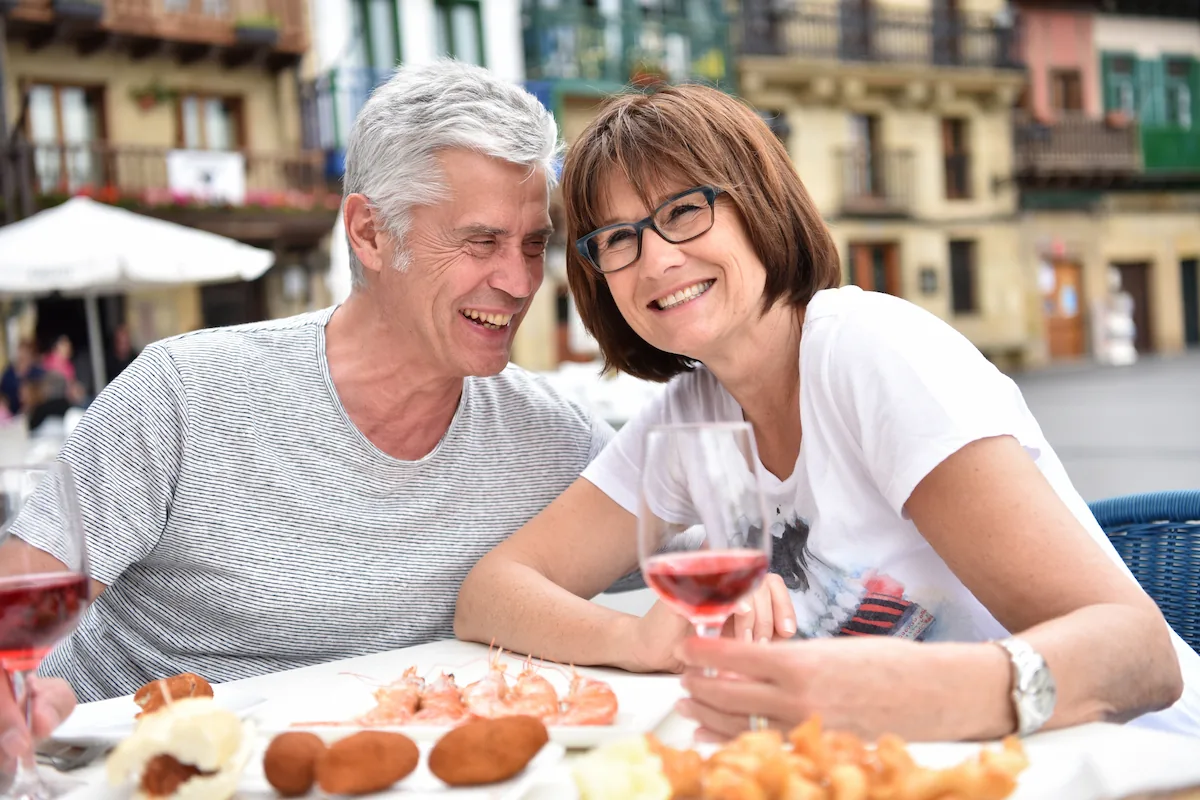
The food-driven client.
Madrid imports the best of what the rest of Spain produces: Galician seafood overnight, Castilian roast lamb from the plateau, Basque pintxos bars that are not imitations. Dining runs late and unhurried. That is not a logistical problem. It is the point.
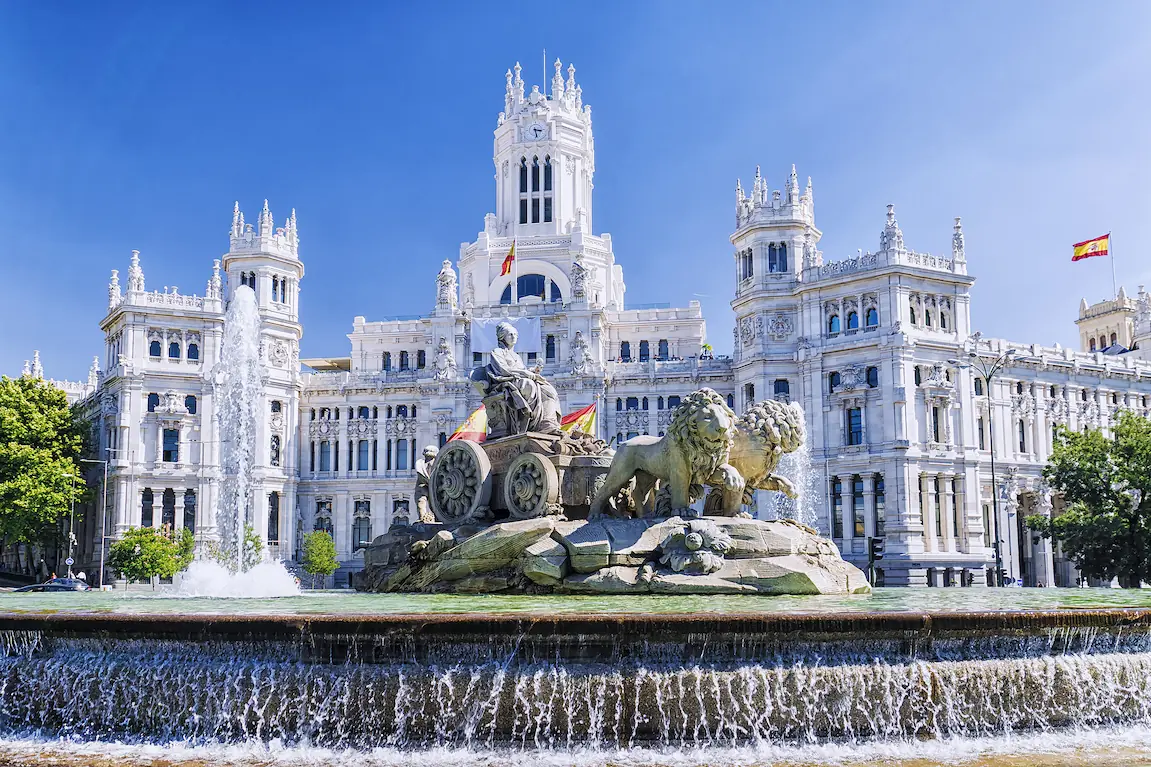
The first-time Spain traveler.
Madrid absorbs first-time visitors without making them work for it: walkable center, clear metro, monuments close together. It provides orientation, showing clients what Spanish daily life looks like before the program moves into smaller cities where the pace and register change.
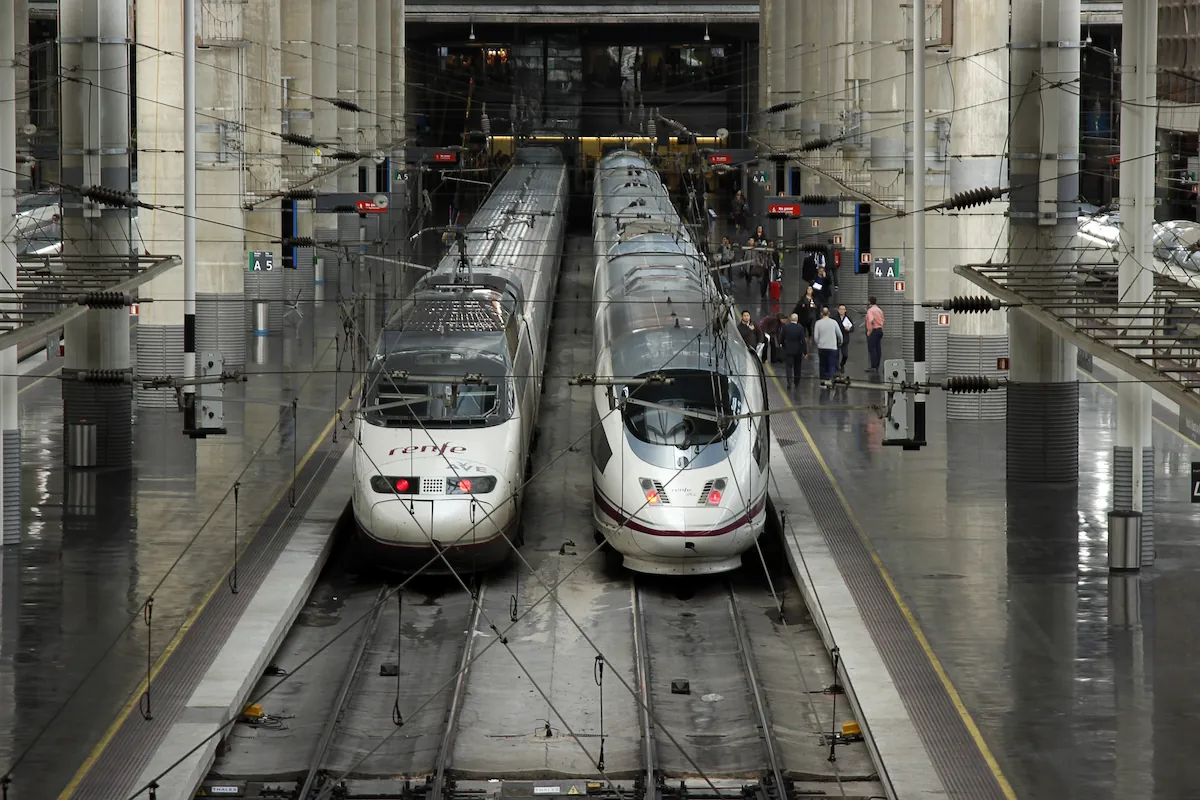
The client building a Spain itinerary.
Atocha is twenty minutes from the airport by metro, and the AVE reaches Seville, Barcelona, Malaga, and Valencia from its platforms in under three hours. Madrid is the node that makes multi-region logistics work. Two nights here, then the rail network handles the rest.
Programs in this region
Madrid itineraries from the portfolio.
Three programs that route through Madrid, each pairing the capital with a different region of Spain.
Madrid + Andalusia
The Southern Arc
9 nights
Madrid, Seville, Cordoba, and Granada. Spain's most-requested itinerary. The capital opens the program, then the AVE carries the group south into Andalusia for the Moorish cities. Strong baseline for partners new to Spain, with predictable logistics and deep hotel inventory throughout.
Madrid + Catalonia + Balearics
Capital to Coast
9 nights
Madrid, Barcelona, and Palma de Mallorca. Three cities with distinct characters, connected by high-speed rail and a short flight across the Mediterranean. Continental Spain to island Spain, with the contrast built into the structure of the program.
Madrid + Basque Country
Northern Crossroads
8 nights
Madrid, Bilbao, and San Sebastián. The capital followed by the two cities that define contemporary Spanish food and culture. Strong for culinary-focused programs and clients who want to move beyond the southern circuit.
For travel professionals
Planning a Madrid program.
Operational context for advisors and operators building Madrid into a Spain program.
When to come
Spring (April through June) and autumn (September through November) are the strongest seasons: comfortable temperatures, full capacity, and better hotel rates than peak summer. July and August are hot and quieter, as many residents leave. December works well for clients interested in Christmas traditions around the Plaza Mayor. January and February are the slowest months and can offer good value.
Getting here
Adolfo Suárez Madrid-Barajas (MAD) is Spain's primary international hub. Terminal 4 handles most intercontinental traffic and connects to the city center by metro Line 8 in 30 to 40 minutes. Most groups transfer directly from T4 to the hotel; Atocha rail connections begin the following morning.
Group considerations
Madrid has Spain's deepest hotel inventory and handles 2 to 24 travelers at most price points, with lead-time pressure only around FITUR (January) and IFEMA trade events. Schedule the Prado and Reina Sofia for mid-morning to avoid the midday surge, and book dinners at 9pm or later to match local service rhythm.
What defines this region
Three things that shape every program here.
Madrid is the newest of Spain's major cities by European standards, founded as a royal seat in the 16th century rather than built on centuries of prior occupation. That late start produced a city that collected things: art, people, and culinary traditions from every corner of the peninsula.
The art did not arrive here by accident.
Read the full story
The Prado was built to house the Spanish royal collection. Charles I and Philip II spent decades acquiring the paintings now in rooms 25 through 29. Velázquez was court painter for thirty-seven years. The Reina Sofía holds Guernica because the Spanish government negotiated its return from MoMA after Franco's death, on the condition that the painting remain in Spain until democracy was restored. The Thyssen collection came to Madrid because the baroness was Spanish and preferred it here. None of these institutions happened by urban planning. They accumulated through specific historical circumstances that are still visible in how the collections are organized. A guide who can explain that context changes what clients see.
Madrid eats late, and that is not a detail.
Read the full story
Lunch in Madrid runs from 2 to 4pm. Dinner does not begin before 9pm. The tabernas around La Latina open at noon but fill in the early afternoon. The market bars close mid-evening. A program that does not account for this rhythm will have clients eating at the wrong hour in restaurants half-empty, which is a different experience from eating at the right hour in the same restaurant at capacity. The food culture here is genuine and accessible, but it operates on Madrid time, not imported tourist time, and Inbound Spain builds that into how every day is sequenced.
The countryside is thirty minutes away.
Read the full story
Toledo is 33 kilometers south. El Escorial is 58 kilometers northwest. Segovia is 90 kilometers north and has a Roman aqueduct still standing. Ávila is 110 kilometers west and its medieval walls are complete enough to walk the full circuit. For programs with two or three nights in Madrid, a half-day excursion to any of these gives clients a different register without a hotel change. Toledo in particular works well as an afternoon and early evening stop: the historic center occupies a promontory surrounded on three sides by the Tagus, and the light at the end of the day on the cathedral and the synagogues is worth timing the departure around.
Common questions
Madrid: what advisors and operators ask.
Should Madrid be the starting point for most Spain programs?
For most U.S. and Canadian travelers, yes. Adolfo Suárez Madrid-Barajas has the most direct transatlantic connections and the deepest hotel inventory at every price point, and starting here gives groups a buffer day to recover from the overnight flight before the program moves into more demanding cultural content. It is also the most logical rail hub for building a multi-region itinerary, since AVE service radiates out to every major Spanish city from Atocha station.
How much time does a group actually need in Madrid?
Two full days is the operational minimum for clients covering the core cultural content: the Prado, one of the other Triangle museums, the city center on foot, and a proper dinner. Three days allows for a slower pace through the museums, a half-day excursion to Toledo or El Escorial, and time in the neighborhoods without rushing. For programs where Madrid functions as both gateway and destination, three nights is the right number. Two nights is appropriate when Madrid is primarily a transit point to the south or north.
What is the Golden Triangle of Art and does every program need to include it?
The Prado, the Reina Sofía, and the Thyssen-Bornemisza sit within a ten-minute walk of each other along the Paseo del Prado. No other city concentrates this quality and range of European art in this proximity. For heritage and cultural clients, it belongs on every Madrid stop. For culinary or contemporary-culture clients, the Reina Sofía alone (home to Guernica) is usually sufficient, and the remaining program time is better spent in the market bars or the neighborhoods. Inbound Spain recommends the appropriate museums based on the client brief; the Triangle is not mandatory for every profile.
What are the best neighborhoods for independent client time in Madrid?
Lavapiés for the informal bar scene and the mix of cultures that characterizes the neighborhood. Malasaña for the early 20th-century architecture and the independent shops. Chueca for restaurants and the more design-forward side of the city. La Latina on a Sunday, when El Rastro runs through the streets and the tabernas open early. Clients who explore Madrid on their own do best with a neighborhood briefing rather than a monument list. The city rewards walking and time without a schedule.
How does Madrid connect to the rest of Spain for multi-city programs?
Madrid is the hub of the AVE high-speed rail network. Seville is 2.5 hours south. Malaga 2.25 hours. Barcelona 2.75 hours. Bilbao is served by conventional rail or a short flight. For programs combining Madrid with one or two other regions, AVE is the backbone: reliable, central-station to central-station, and easier to manage with groups than domestic flights. Inbound Spain builds the rail logistics into every multi-city program from the first proposal.
When is the best time to run a Madrid program?
Spring and autumn suit the widest range of client profiles, but Madrid does not have a true off-season the way a beach destination does. Summer works for clients who prioritize nightlife and late terrace culture over a packed museum schedule, since the Prado and Reina Sofía stay open and less crowded while residents are away. December adds a genuine seasonal draw: the Plaza Mayor Christmas market and the San Ildefonso lottery draw on December 22 give a program built around that week a different character than the rest of the year.