Barcelona
Barcelona is the one Spanish city most travelers can name before they book, and that name recognition covers real substance. Gaudi's unfinished basilica is still the most visited monument in the country. A market that has operated since 1217 sits two blocks from some of the city's finest kitchens. The AVE reaches Madrid in under three hours, and a fifty-minute flight puts Mallorca on the same itinerary without losing a day to transit. Barcelona also stands entirely on its own: a coastal city with a walkable historic core, a design culture that never coasted on Gaudi's reputation, and a wine region ninety minutes inland that most first-time visitors never hear about. The profiles below show you which of your clients belongs here and how much of the program Barcelona should claim.
Who this region suits
Match your client to Barcelona.
Barcelona functions differently depending on what your client is looking for. These are the profiles that arrive and leave satisfied.
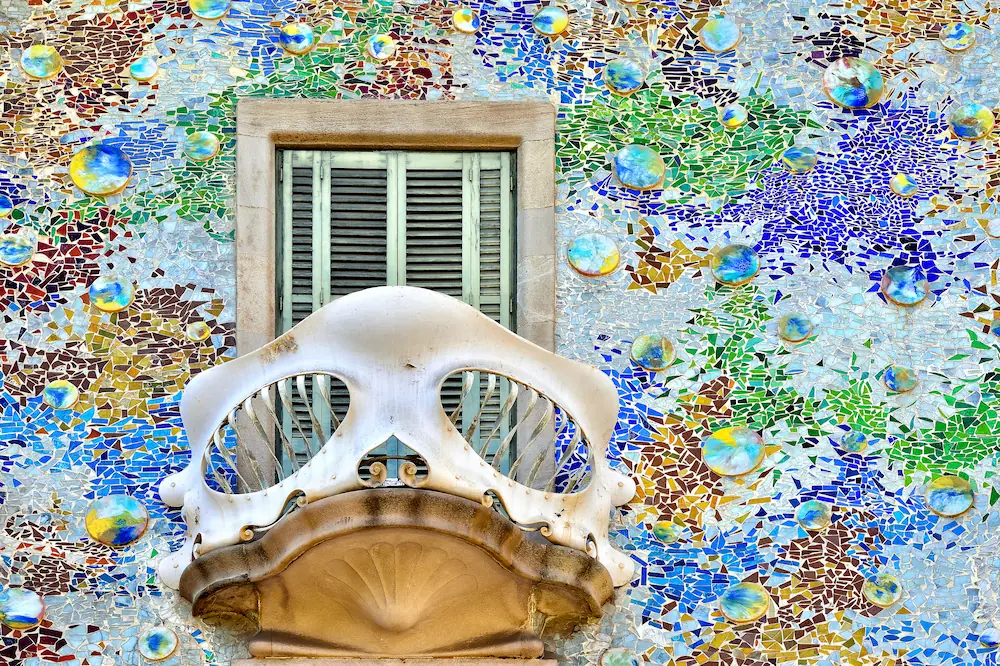
The Gaudi client.
Gaudi built four UNESCO-listed sites here, and none read as a museum piece: the Sagrada Familia still under construction, funded by ticket sales; Casa Batllo and Casa Mila still occupied, six blocks apart on Passeig de Gracia. Two full days without repeating itself.
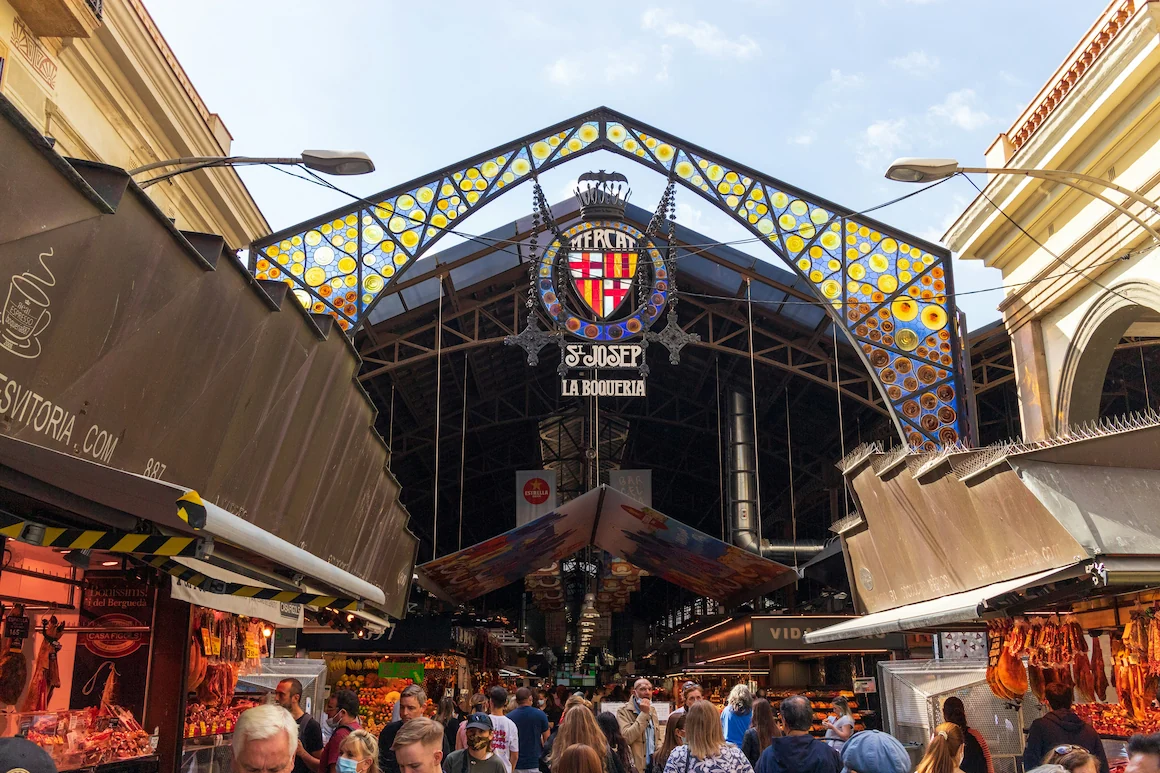
The market and vermut client.
La Boqueria has operated since 1217, and the stalls toward the back, run by the same families for generations, are where a guide takes clients for the ham and anchovies that explain vermut, the neighborhood midday ritual. Barcelona is built around eating well without ceremony.
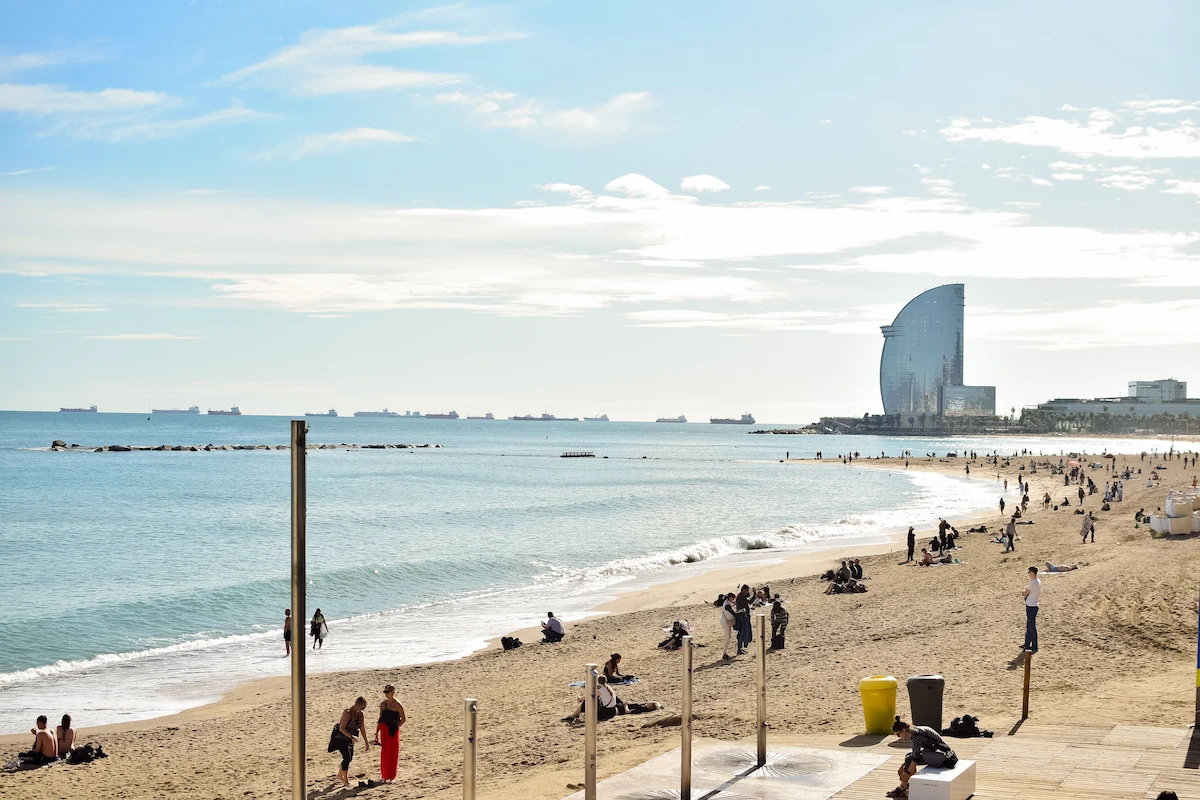
The client who wants the city and the beach.
Barceloneta puts a sand beach eight minutes by taxi from the Gothic Quarter, a combination few European capitals offer. A morning in the Picasso Museum, an afternoon on the Mediterranean, no hotel change, no day lost to transit. Cultural depth without sacrificing beach time.
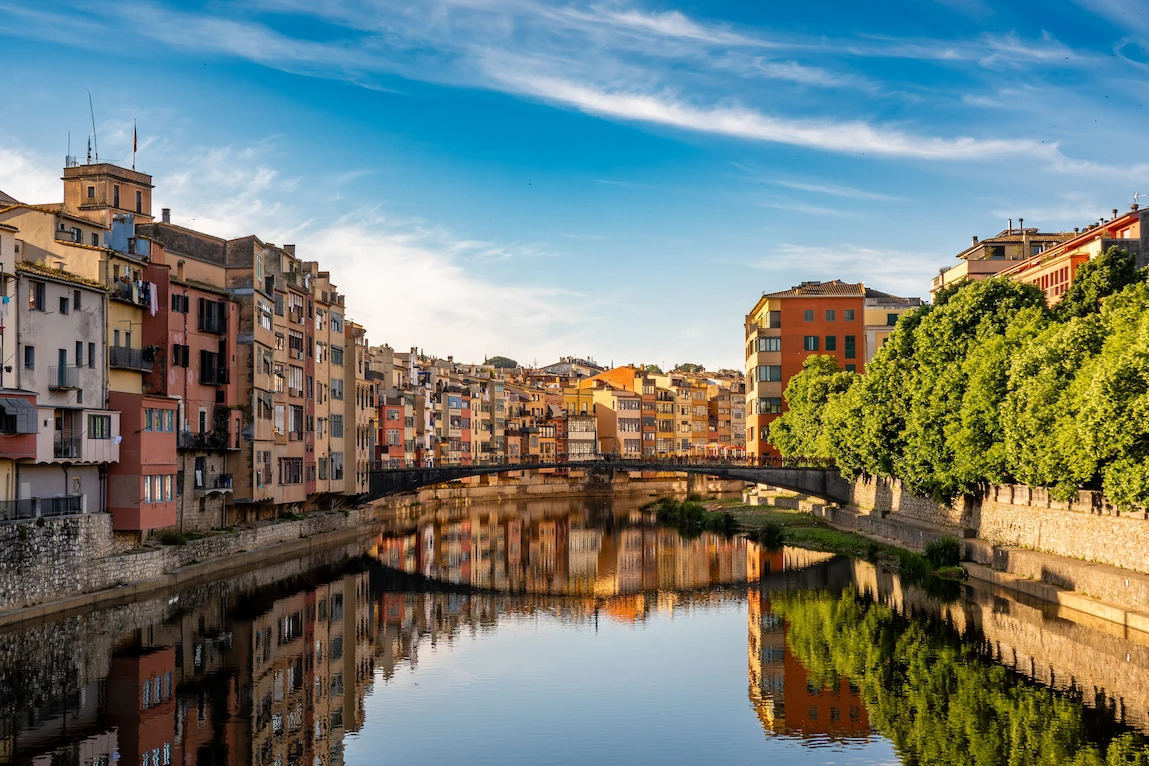
The client who wants Barcelona and the region around it.
Girona's walled medieval quarter sits forty minutes away by AVE. Priorat, ninety minutes inland, produces some of Spain's most sought-after reds from vineyards on black slate, most wineries pouring for groups of six or fewer. Real day-trip depth: Barcelona and beyond.
Programs in this region
Barcelona itineraries from the portfolio.
Three programs that route through Barcelona, from a national itinerary to a Catalonia-only deep dive.
Madrid + Catalonia + Balearics
Capital to Coast
9 nights
Madrid, Barcelona, and Palma de Mallorca. Three cities with distinct characters, connected by high-speed rail and a short flight across the Mediterranean. Continental Spain to island Spain, with the contrast built into the structure of the program.
Catalonia + Balearics
Mediterranean Tapestry
7 nights
Barcelona and Palma de Mallorca. A two-stop program with strong air and ferry connectivity, built for partners new to Spain or clients who want coastal and architectural depth without a demanding pace.
Catalonia
Barcelona & Beyond
7 nights
Barcelona, the Costa Brava, Girona, and Priorat. A Catalonia-only program for wine, design, culinary, and contemporary culture clients who want depth beyond the capital rather than a second city.
For travel professionals
Planning a Barcelona program.
Operational context for advisors and operators building Barcelona into a Spain program.
When to come
April through June and September through November are the strongest months: mild shoulder-season weather, lighter crowds at the Gaudi sites, and rates below peak. Summer brings the beach crowd and heat, workable for programs pairing the city with Balearic nights but harder on a Gaudi-heavy pace. Avoid late February into early March for anything but the wine-region extension: the Mobile World Congress fills the city's hotel inventory and drives rates up.
Getting here
Barcelona-El Prat (BCN) carries fewer direct U.S. and Canadian routes than Madrid; many programs connect through Madrid or a European hub. The airport sits twenty minutes from the center by the R2 Nord train or the Aerobus. AVE to Madrid runs under three hours, station to station, no security line.
Group considerations
Sagrada Familia, Park Guell, Casa Batllo, and Casa Mila all require timed-entry tickets with site-specific group size limits, reserved at contracting rather than on arrival, since summer availability closes out months ahead. Lock Gothic Quarter and El Born restaurant reservations at the same stage; the most sought-after tables release a finite number of covers per night.
What defines this region
Three things that shape every program here.
Barcelona is a Mediterranean port city first and a design capital second, and the two histories run through nearly everything a client sees, eats, or walks past in the center.
Modernisme was never decoration. It was a statement of identity.
Read the full story
The Eixample expansion of Barcelona in the 1860s gave a generation of architects, Gaudi among them but not alone, a blank grid and Catalan industrial wealth to build on. Domenech i Montaner and Puig i Cadafalch were working the same streets, competing for the same commissions, and building in the same Modernisme style that Gaudi eventually came to define. The style itself was tied to the Renaixenca, a Catalan cultural revival that used architecture, along with language and literature, to assert a distinct identity within Spain. A guide who explains that context turns a walk down Passeig de Gracia into a conversation about how a city decided who it was.
The Mediterranean built the kitchen before any chef did.
Read the full story
Barcelona has worked as a Mediterranean trading port since the Roman city of Barcino, and the kitchen still reflects that history. Rice arrived by way of the Moors and became paella's Catalan cousin, arros negre, cooked in squid ink and served at neighborhood bars without ceremony. The anchovies at La Boqueria come from L'Escala on the Costa Brava, salted the same way for a century. In late winter, towns outside the city hold calcotades, communal lunches built around a single roasted spring onion eaten with the hands and a glass of local wine. The food culture runs on proximity to the coast and the countryside, not on imported technique.
Barcelona is a city, but Catalonia is the program.
Read the full story
Girona's medieval quarter, the Costa Brava's coves, and the Priorat wine region all sit within ninety minutes of central Barcelona, each offering a version of Catalonia the city itself does not. That density is unusual. Few major European cities put a walled medieval town, a rugged coastline, and a serious wine region within a single day-trip radius. For advisors and operators building multi-day Barcelona programs, the city rarely needs to carry the entire itinerary on its own. It needs one or two days to establish itself, then the region takes over.
Common questions
Barcelona: what advisors and operators ask.
Should Barcelona be paired with Madrid or stand on its own as a program?
Both work well, and the choice depends on the client's prior Spain history. First-time visitors benefit from the contrast: Madrid's Golden Triangle of Art followed by Barcelona's Modernisme and coastline, connected by a sub-three-hour AVE ride. Clients who have already spent time in Madrid, or who want a shorter and more focused trip, do well with a Barcelona-only program extended into Catalonia. The Costa Brava, Girona, and the Priorat wine region all sit within ninety minutes and give a program real depth without adding a second city.
How much time does a group need in Barcelona?
Two full days cover the essentials: the Sagrada Familia, one additional Gaudi site, the Gothic Quarter on foot, and a market visit. Three days allow for a half-day in Gracia or El Born and a proper vermut experience without rushing the museums. Programs extending into the Catalan countryside, Girona, the Costa Brava, or Priorat, should plan a minimum of two additional nights to make the day trips worthwhile rather than rushed.
Do the Gaudi sites require advance booking, and are there group size limits?
Yes, at all four major sites, and this shapes group size more than most advisors expect. A single guided entry caps out around 20 to 30 depending on the site and season, so a tour operator running a full 24-traveler group is already close to that ceiling and should confirm capacity before confirming the group size, not after. Split-group entry at staggered times is possible at the larger sites but adds a logistics layer worth flagging to the client in advance. Reserve at contracting, not closer to travel: summer availability closes out months ahead.
What is the best way to connect Barcelona to Madrid or the Balearic Islands?
Mallorca is a fifty-minute flight from Barcelona-El Prat, with multiple daily departures from several carriers, the most efficient way to add island time without losing a day. A daytime ferry to Mallorca or Menorca is the better choice for programs with time to spare and a client who wants the crossing itself as part of the experience. Madrid, by contrast, is best reached by AVE rather than a domestic flight once airport transfer time is factored in.
What are the strongest neighborhoods for independent client time in Barcelona?
Gracia for the plaza life and a slower pace than the tourist center. El Born for the Picasso Museum, the boutiques, and a dinner scene that draws locals as much as visitors. The Gothic Quarter for the medieval street plan and easy walking between sites, though it is the most crowded of the four. Poble Sec and Sant Antoni for clients who want a newer restaurant scene without the crowds. A neighborhood briefing serves independent clients better than a monument checklist.
When is the best time to run a Barcelona program?
April through June and September through November suit the widest range of client profiles. Summer is not a hard no if the program pairs the city with Balearic beach time, since a lighter Gaudi-and-market itinerary tolerates the heat and crowds better than a monument-heavy pace does. The one date to build around deliberately is late February into early March: the Mobile World Congress fills Barcelona's hotel inventory citywide and pushes rates well above normal, so any program touching that window needs contracting locked earlier than usual or should shift to a countryside-focused itinerary instead.