Galicia
Galicia gives clients an entirely different Spain: Celtic rather than Moorish, Atlantic rather than Mediterranean, ending a thousand-year pilgrimage route rather than opening a sightseeing circuit. It carries the traditional endpoint of the Camino de Santiago, a beach that only exists at low tide, and a wine region built on a single white grape grown at this scale nowhere else in the country. The profiles below show you which of your clients belongs here and how Galicia fits into a Spain program.
Who this region suits
Match your client to Galicia.
Galicia works differently depending on what the client is chasing. These are the profiles that get the most out of it.
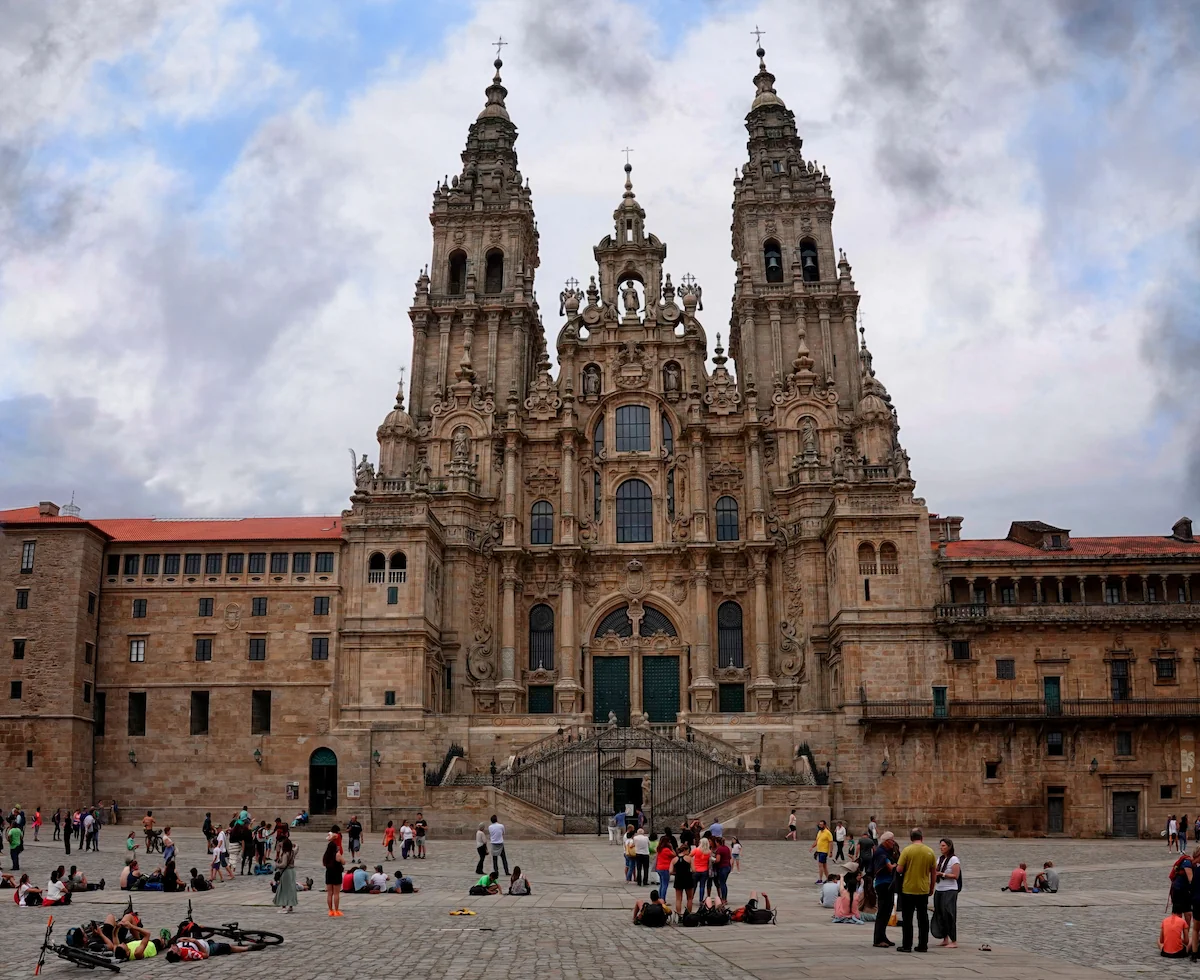
The pilgrimage and heritage client.
The Camino de Santiago has led pilgrims to Santiago's cathedral for over a thousand years, and the Botafumeiro, a 53-kilogram silver-plated censer, still swings across the nave on a rope at 68 kilometers per hour during major Masses.
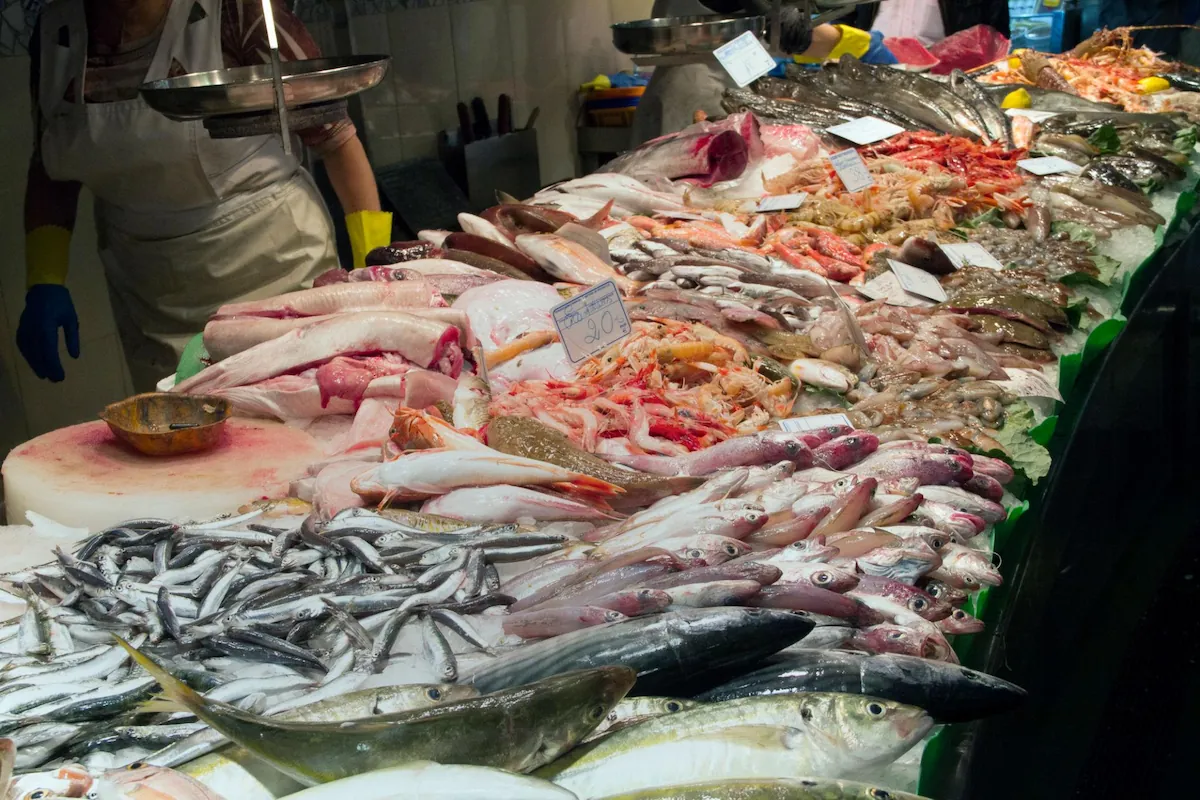
The culinary client.
Galicia's Atlantic coastline supplies Spain's seafood culture more than any other region: octopus, percebes, and scallops caught within sight of the ports that serve them. Santiago's Mercado de Abastos puts that catch on display each morning.
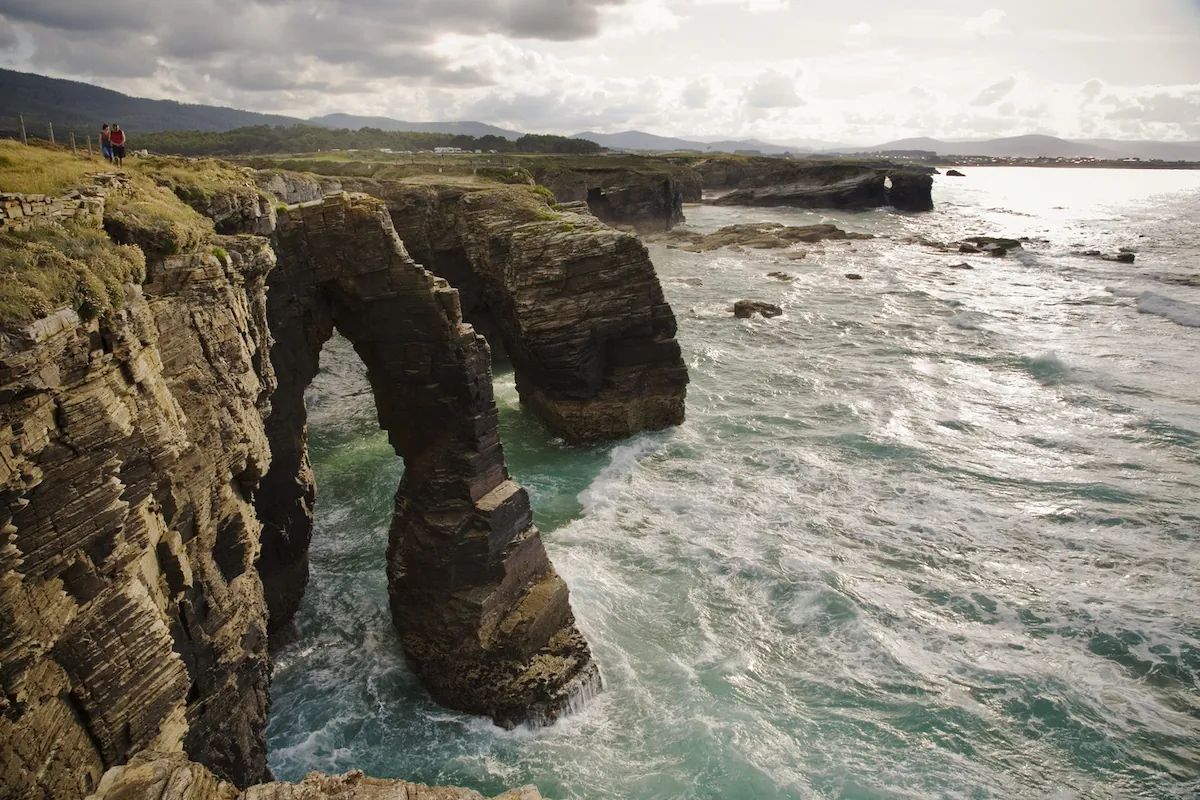
The coastal and natural wonder client.
As Catedrais beach only exists twice a day: at low tide, arches and sea caves carved from slate cliffs open onto sand that disappears completely when the water returns. Timing the visit against the tide table is the entire experience.
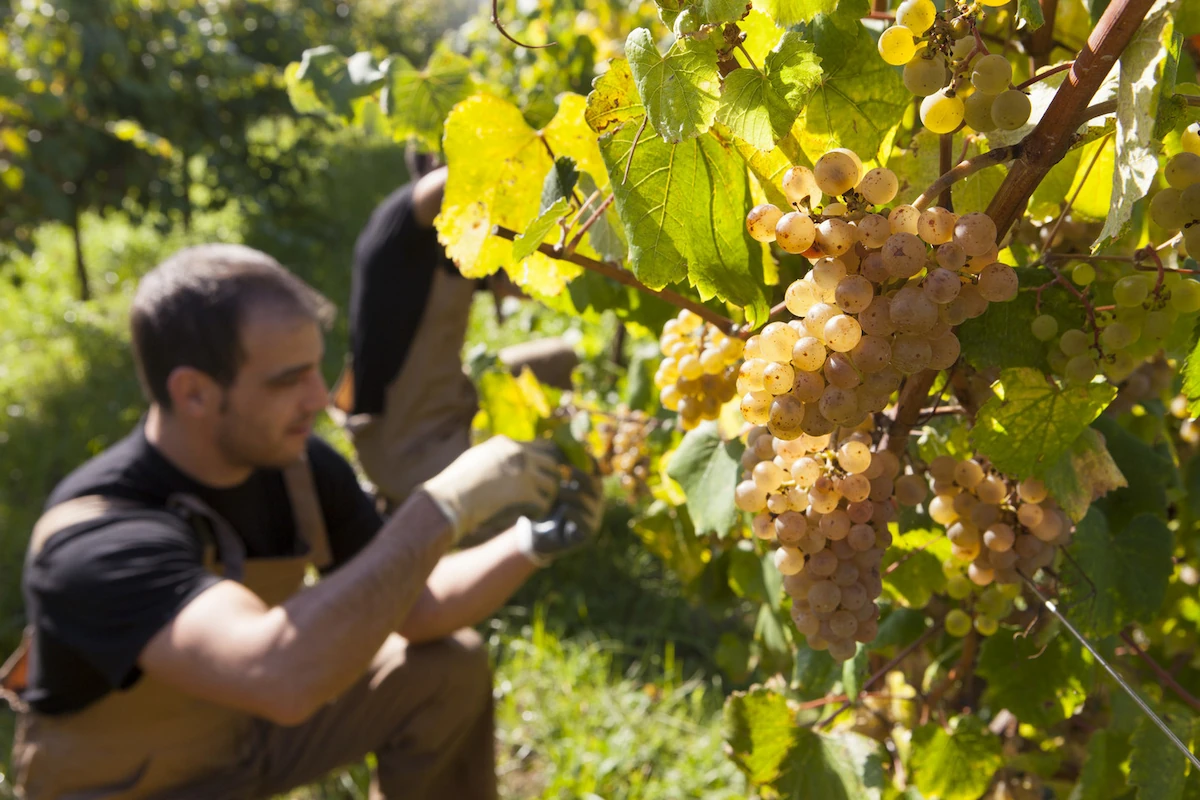
The wine and rural client.
Rías Baixas grows Albariño on land shaped more like Ireland than the rest of Spain, fjord-like inlets and granite soil producing a crisp, citrus-driven white grown at this scale nowhere else in the country.
Programs in this region
Galicia itineraries from the portfolio.
One program anchors Galicia in the current portfolio: a compact two-city stay entering through Madrid.
Madrid + Galicia
Capital & the Camino
6 nights
Three nights in Madrid, three in Santiago de Compostela, linked by a single direct AVE segment. Cultural sightseeing and a tapas tour in the capital lead into cathedral ritual and Camino heritage in Santiago, closing with a Rías Baixas Albariño day trip.
For travel professionals
Planning a Galicia program.
Operational context for advisors and operators building Galicia into a Spain program.
When to come
June through October gives the most reliable weather and the widest tide-table access to As Catedrais. A reservation is required to enter the beach from July 1 through September 30 and during Holy Week; outside those windows entry is unrestricted but still governed by the tide.
Getting here
Santiago de Compostela Airport (SCQ) sits eleven kilometers from the cathedral, with connections through Madrid and Barcelona. The AVE from Madrid runs under three and a half hours; Ribadeo, on the Lugo coast, sits roughly two hours further by road.
Group considerations
The Botafumeiro swings only during specific Masses and by request for a fee at other times; confirm the schedule before promising a client will see it. As Catedrais requires online reservation for July through September visits, so apply well ahead of a summer departure.
What defines this region
Three things every Galicia program should account for.
Galicia built its identity on a pilgrimage ritual that predates tourism, a coastline that runs on the tide rather than a schedule, and a wine region defined by a single grape.
The Camino ends at a cathedral still run on medieval ritual.
Read the full story
The Cathedral of Santiago de Compostela rose over the site believed to hold the remains of the Apostle James, and its status as the traditional endpoint of the Camino de Santiago has drawn pilgrims here for over a thousand years along routes collectively known as the Way of St. James. The Botafumeiro, whose name means roughly "the smoke expeller" in Galician, is documented as far back as the Codex Calixtinus, a 12th-century pilgrim guide, where it appears under the Latin name turibulum magnum. The tradition likely began for practical reasons as much as ceremonial ones: after long days on the trail, pilgrims sometimes slept inside the cathedral, and the incense helped clear the air as much as it honored the Mass. The current censer, cast in 1851 from silver-plated brass, weighs 53 kilograms empty and up to 63 kilograms full, and eight men called tiraboleiros pull the ropes that swing it in a 65-meter arc, reaching speeds up to 68 kilometers per hour during a 90-second run. It flies during major feast-day Masses and can be requested for a fee at other times, but it is never a demonstration performed on demand: when it swings, it is doing the job it has done for pilgrims for eight centuries.
A beach that only exists at low tide.
Read the full story
As Catedrais, or Playa de las Catedrales, sits on the Lugo coast near Ribadeo, roughly ten kilometers west of town, where centuries of Atlantic wave action have carved the region's slate and schist cliffs into arches, sea caves, and freestanding rock formations tall enough to earn the beach its cathedral nickname. None of it is visible on a fixed schedule: the sand only appears during low tide, and the window narrows or widens depending on whether the tide is a spring tide, which recedes further, or a neap tide, which barely uncovers the formations at all. Visitors are advised to arrive at least an hour before low tide, because the coastline here is nearly flat, which means the water returns as quickly as it left. From July 1 through September 30, and again during Holy Week, the Xunta de Galicia requires a free reservation to access the beach itself, a response to visitor numbers that outgrew the site's capacity; outside those windows the beach remains open without a booking, but the tide table still rules. A guide who builds the itinerary around the tide, not the other way around, is the difference between a group that sees the arches and one that arrives to a beach already underwater.
Rías Baixas grows one grape better than anywhere else in Spain.
Read the full story
Rías Baixas takes its name from the shallow, fjord-like inlets, or rías, that cut into Galicia's Atlantic coastline, a geography closer in feel to Ireland or Brittany than to the rest of Spain. Albariño, the grape behind nearly all of it, over 90 percent of everything planted in the region, has grown along the Umia and Miño rivers for more than a thousand years, first organized at scale under Roman viticulture and refined since by growers working granite-heavy soil under one of the wettest, sunniest microclimates in Spain, nearly 2,200 hours of sunlight a year alongside some of Galicia's highest rainfall. Spain recognized the wine with its own denomination in 1980 and elevated it to full Denominación de Origen status as Rías Baixas DO in 1988, organized across subzones including Val do Salnés, O Rosal, and Condado do Tea, each producing a slightly different expression of the grape depending on proximity to the coast. The wines that result run crisp and citrus-driven, with a mineral edge drawn from the granite, and over 99 percent of everything the region bottles is white, a rare level of single-variety focus for a Spanish wine region. For a wine-forward client who has already done Rioja or Ribera del Duero, Rías Baixas offers a genuinely different Spanish wine identity: Atlantic instead of continental, white instead of red, built on a grape most clients have never tasted.
Common questions
Galicia: what advisors and operators ask.
Should Galicia stand alone as a program or pair with another region?
Galicia currently anchors one Inbound Spain program, Capital & the Camino, a tighter 6-night pairing that enters through Madrid and closes with a Rías Baixas wine day in Santiago de Compostela. Its compact structure, a single rail transfer and no multi-stop coach circuit, makes it a natural add-on to a Madrid-based itinerary rather than a standalone deep dive, and it suits Camino-focused, heritage, culinary, and wine clients equally well.
How much time does a group need in Galicia?
Two full days in Santiago cover the cathedral, the old town, and the Mercado de Abastos, plus a Botafumeiro Mass if the schedule allows. A third day is needed to reach the Lugo coast: As Catedrais and Ribadeo's working port sit roughly two hours from Santiago by road, too far for a rushed half-day add-on.
How does the Camino de Santiago factor into a group program that isn't walking the full route?
Most trade groups experience the Camino's ending, not its length: arriving in Santiago's old town on foot for the final stretch, attending Mass at the cathedral, and understanding the pilgrimage's history rather than walking weeks of the trail. Operators building a genuine walking component typically add a short, well-marked final segment, the last five to ten kilometers into Santiago, rather than attempting a multi-day trail section inside a broader Spain itinerary.
Is As Catedrais worth the detour from Santiago?
For coastal and photography-driven clients, yes; the beach's arches and sea caves are unlike anything else on Spain's Atlantic coast. The trade-off is logistical: the beach sits roughly two hours from Santiago, the visit only works within a tide window that shifts daily, and a summer departure needs the free entry reservation booked well in advance. Clients on a tight Madrid-Santiago timeline are better served by Rías Baixas as a coastal alternative closer to the city.
When is the best time to run a Galicia program?
June through October gives the most reliable weather and the widest tide-table access to As Catedrais. A summer departure touching the beach between July 1 and September 30 needs the free entry reservation booked in advance; outside that window entry is unrestricted but still governed by the tide table, so build flexibility into the day's schedule rather than a fixed arrival time.
How does Galicia connect to the rest of a Spain program?
Santiago de Compostela Airport (SCQ) connects through Madrid and Barcelona, and the AVE from Madrid runs under three and a half hours, which is why Capital & the Camino, Galicia's current program, uses Madrid as its entry point rather than routing through another region first. Galicia sits apart from Spain's other northern regions, Asturias, Cantabria, and the Basque Country, geographically; connecting it to a northern-coast program in the same trip adds meaningful driving time rather than a short rail hop.
What should advisors know about the Botafumeiro before promising it to a client?
It is not guaranteed on a standard visit. The Botafumeiro swings during major feast-day Masses on a fixed liturgical calendar, and it can be requested for a fee outside those dates, but neither path guarantees a specific day and time months out. Confirm the schedule close to departure rather than marketing it as a fixed itinerary stop, and set client expectations that the full ritual, incense and all, may not align with the group's exact dates.