Barcelona & Valencia: Festival Season
Six nights split between Barcelona and Valencia, timed to land on a festival's peak days rather than its buildup: Las Fallas closing with La Cremà on March 19, or Festes de la Mercè closing with correfocs and fireworks around September 24. Both editions are fire festivals at their core, built for clients who want spectacle on the calendar, not just a city pairing. Both are set out below as complete, day-by-day itineraries.
The program
Two cities, two fixed dates, one fire festival each.
Built for festival and spectacle travelers, repeat Spain clients looking for something outside the standard circuit, and photography-driven groups. This is not a flexible-date program: it runs twice a year, timed to Las Fallas (mid-March) or Festes de la Mercè (late September), and the routing direction flips with the edition. Both editions are documented in full below, each with its own complete day-by-day: the spring edition, Barcelona to Valencia, and the autumn edition, Valencia to Barcelona.
Spring edition
Barcelona to Valencia · closing on Las Fallas' La Cremà, March 19
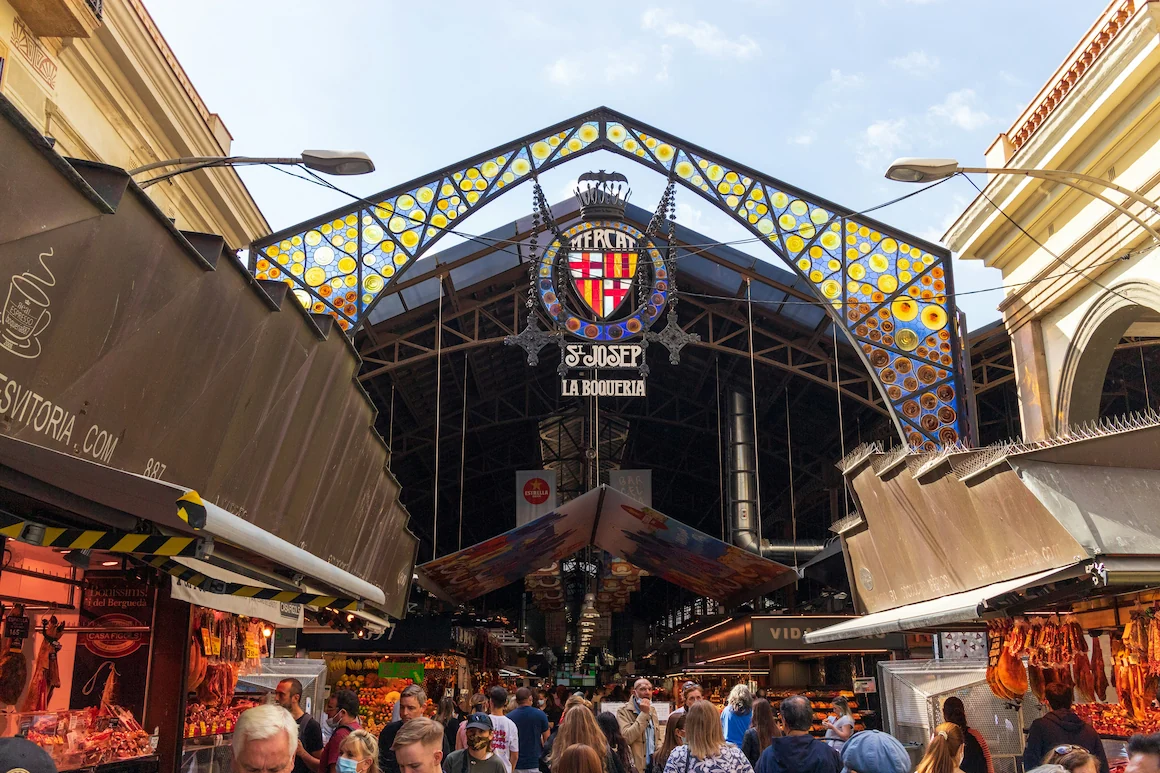
Barcelona
The spring edition opens here with three days of Barcelona's marquee sights before the AVE south to Valencia and Las Fallas' closing days.
Day 1 · Private arrival transfer. Evening walk through the Gothic Quarter and a tapas dinner.
Day 2 · Sagrada Familia timed guided visit, then a market walk through La Boqueria (closed Sundays; confirmed against that year's departure calendar). Free evening.
Day 3 · Casa Batlló or Park Güell, partner's choice, in the morning. Free afternoon and evening, the group's last stretch in Barcelona before heading south.
Where your group stays: central Barcelona, within walking distance of the Gothic Quarter and Via Laietana.
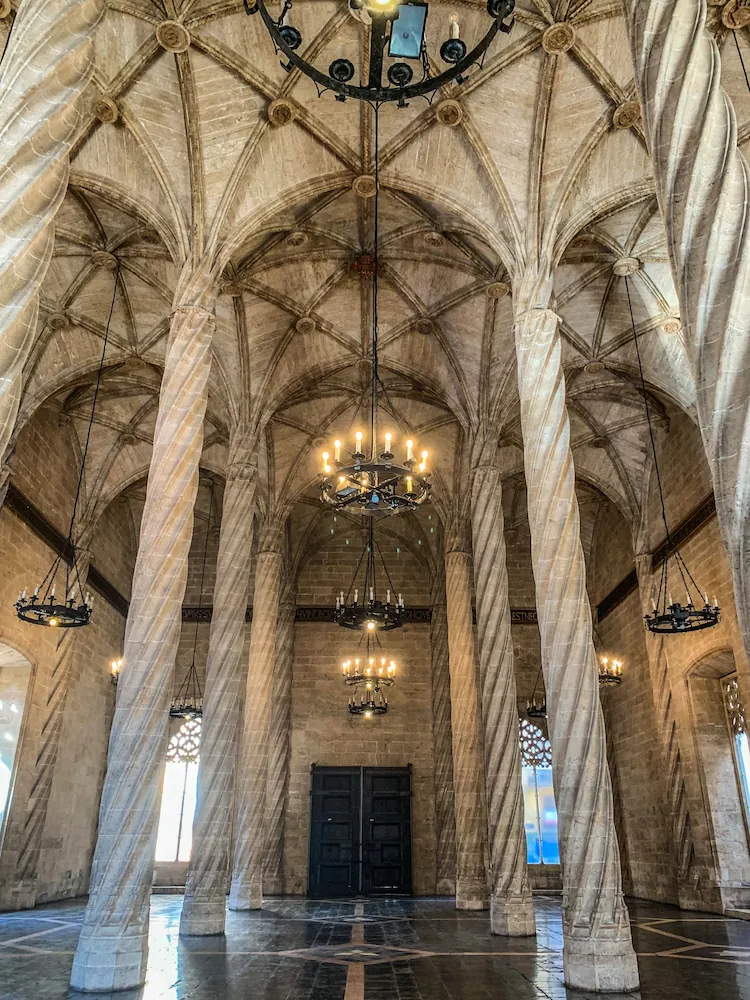
Valencia
The spring edition closes here on Las Fallas' final night, when hundreds of elaborate ninot monuments across the city burn in a single evening. The daily midday masclàeta, a roughly five-minute fireworks and firecracker display in the Plaza del Ayuntamiento, runs throughout the festival week, not just on the closing day.
Day 4 · Direct AVE to Valencia in the morning, about 3 hours. Afternoon old town walk timed around the midday masclàeta, Las Fallas' daily fireworks display in the Plaza del Ayuntamiento, with the Lonja de la Seda (closed Mondays; confirmed against that year's departure calendar).
Day 5 · Ciutat de les Arts i les Ciències in the morning, then the Ninot exhibition and neighborhood falla displays in the afternoon.
Day 6 · Morning market walk through the Mercat Central, open until 3pm and closed Sundays. Evening: La Cremà, the closing burn of the ninots across the city, with a local guide for viewing positions. Closing dinner.
Day 7 · Private departure transfer.
Where your group stays: Valencia's Ciutat Vella, close to the main festival routes.
Autumn edition
Valencia to Barcelona · closing on Festes de la Mercè's piromusical, around September 24
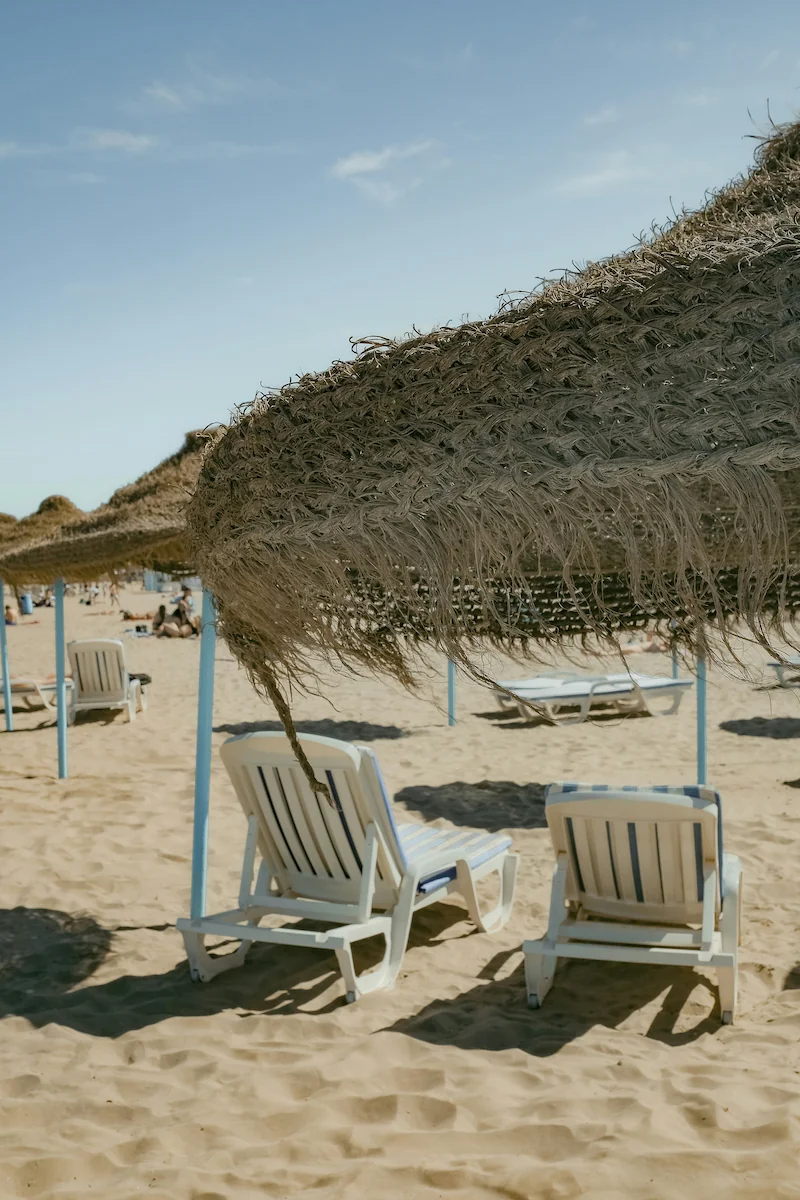
Valencia
The autumn edition opens here with three days built around Valencia in its own right, its markets, its rice country, and its old town, rather than festival programming. Las Fallas, Valencia's own fire festival, falls in March and sits outside this edition's September dates; here the city carries the itinerary on its own character before the AVE north.
Day 1 · Private arrival transfer. Evening walk through the Barrio del Carmen and a paella dinner at a family-run restaurant.
Day 2 · Ciutat de les Arts i les Ciències in the morning. Afternoon boat trip on the Albufera lagoon and a walk through a rice-country village, timed for sunset over the water.
Day 3 · Mercat Central and the Lonja de la Seda in the morning (Mercat Central closes at 3pm and is shut Sundays, the Lonja is closed Mondays; the pairing is confirmed against that year's departure calendar), then a hands-on paella cooking class. Free evening, the group's last night in Valencia before heading north.
Where your group stays: Valencia's Ciutat Vella, within walking distance of the old town and the Mercat Central.
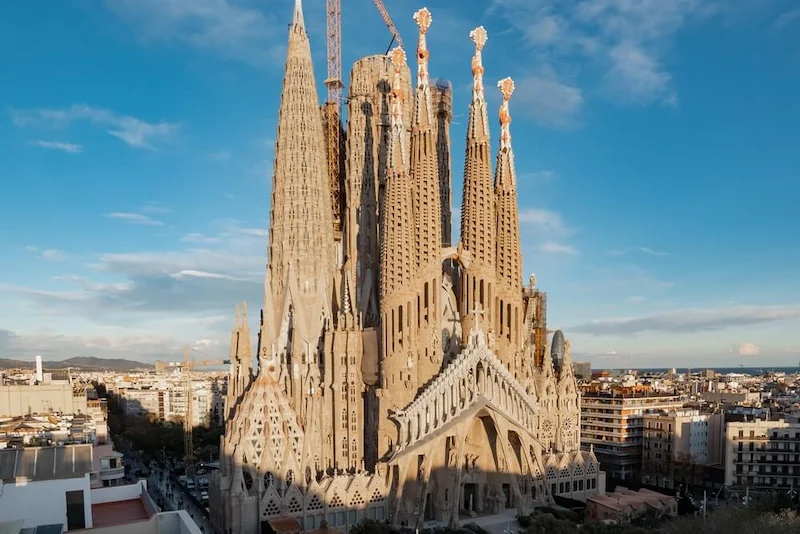
Barcelona
The autumn edition closes here on La Mercè's final two nights: the Passeig de Gràcia correfoc fire-run, then the piromusical over the harbor the following evening. La Mercè runs as a multi-day program citywide, castells human-tower exhibitions among them, and the group's three nights are timed to land on its closing weekend rather than the earlier festival days.
Day 4 · Direct AVE to Barcelona in the morning, about 3 hours. Afternoon Sagrada Familia timed guided visit, then an evening walk through the Gothic Quarter as the festival builds.
Day 5 · Casa Batlló or Park Güell, partner's choice, in the morning. Afternoon free to take in La Mercè's street program, then an evening correfocs viewing with a local guide.
Day 6 · Free morning to rest ahead of the festival's close. Closing dinner, then the piromusical, La Mercè's final-night fireworks and light show over the port.
Day 7 · Private departure transfer.
Where your group stays: central Barcelona, within walking distance of the Gothic Quarter and Via Laietana.
For advisors
Private to your client and timed to whichever festival window fits their calendar. Net markup or gross billing, whichever fits your practice. A dedicated local concierge briefs every group on festival logistics and viewing points before each fire event.
Request an FIT proposal →For operators
NET rates under per-series contracts, limited to the two fixed departure windows a year. Hotel block space in the host city is the binding constraint; contracting 12 months out is strongly recommended for series departures on this program.
Explore a group or series →On the ground
What Inbound Spain handles on this routing.
Operational detail for the partners evaluating this program for a client or a departure calendar.
Ticketing and viewing access
Sagrada Familia and Ciutat de les Arts i les Ciències both use standard timed entry, held by Inbound Spain ahead of client flight bookings. Neither festival itself requires a ticket; Inbound Spain's local team scouts viewing points for the masclàeta, correfocs, and the closing burn or fireworks each year, since these shift with street closures and crowd patterns.
Transport, door to door
Private arrival and departure transfers in the opening and closing cities, and a direct AVE segment between Barcelona and Valencia, about 3 hours with near-hourly departures. No coach circuit; both cities are covered on foot from a central base.
Guides and support
Local licensed guides in both cities, and a festival-specific safety briefing before any fireworks or correfocs event, covering safe viewing distance and appropriate clothing. A 24/7 local concierge stays on a shared communication channel with the tour leader and partner office throughout.
The boundary
Inbound Spain contracts hotels, ground transport, guides, listed entries, and festival-viewing logistics. The partner carries the transatlantic air, tour leader costs, unlisted meals, insurance, and gratuities policy.
Departure calendar
Two fixed windows only: mid-March (Las Fallas, March 15 to 19) and late September (Festes de la Mercè, the week around the 24th). Hotel inventory in the host city tightens sharply around both dates. Series contracting works best at 12 months out; FIT at 6 to 9.
Regions on this routing
Read the ground the program covers: the Barcelona guide and the Valencia guide carry client-fit and planning detail for each city.
Frequently asked questions
What partners ask about Barcelona & Valencia: Festival Season.
Can Barcelona & Valencia: Festival Season be re-sequenced or shortened?
The 3/3 city split is fixed, since both directions are built around a single festival's peak dates rather than a flexible routing. What can change is pacing inside each city, and the program can extend beyond 6 nights by adding leisure days in Barcelona or Valencia before or after the festival window. It cannot be compressed below 6 nights without cutting into festival coverage.
How does ticketing and access work for Las Fallas and La Mercè?
Neither festival sells general admission, the streets and plazas are open to the public, but positioning matters. Inbound Spain's local team scouts viewing points for the daily masclàeta, the correfocs fire-runners, and the closing burn or fireworks ahead of each departure, and provides a safety briefing before any fire or fireworks event. Sagrada Familia and Ciutat de les Arts i les Ciències both use timed entry, held separately from festival logistics.
Why does this program only run on two fixed dates a year?
Las Fallas runs March 15 to 19 and Festes de la Mercè runs the week around September 24, and both routings are built to land the group on the festival's peak days rather than mid-buildup. Outside those two windows, the itinerary loses its reason for being: a Barcelona-Valencia city pairing without festival programming is better served by a flexible-date routing. Hotel inventory in the host city tightens sharply around both dates, similar to the effect already seen in Barcelona during Mobile World Congress, so contracting needs to lock earlier than standard shoulder season.
How are hotels selected for the festival dates?
Properties are proposed in central Barcelona and Valencia's old town or Ciutat Vella, within walking distance of the main festival routes, and reviewed with the partner before contracting. Because both cities see a genuine inventory crunch during their festival weeks, category and specific properties are confirmed earlier than on Inbound Spain's flexible-date programs, and partners should expect to commit sooner to protect availability.
What does the pace look like in practice during festival week?
Moderate to active. Festival days run later than a standard sightseeing itinerary, correfocs and the closing events happen after dark, and the daily masclàeta in Valencia falls at midday and draws large, dense crowds for its roughly five-minute duration. Each day still includes a slower morning or a free block, but the evenings are the busiest part of this program relative to Inbound Spain's other routings.
What lead time does this program need for FIT and for series?
Earlier than Inbound Spain's standard lead time on either format, given the fixed dates and the hotel crunch both cities see during festival week. Private FIT departures should confirm 6 to 9 months out rather than the usual 4 to 6. Group series contracting works best at 12 months out rather than the standard 10 to 12, since block hotel space in the host city is the limiting factor. A first itinerary draft and pricing follow within five days of a client brief.
Does this program cost more as a private FIT departure than as a group series?
Per-person cost is generally higher for a private FIT departure than for a full group series, since fixed costs, including private guides and festival-viewing logistics, are shared across fewer travelers. Both formats also carry a seasonal premium tied to the fixed festival dates that Inbound Spain's flexible-date programs do not. Barcelona & Valencia: Festival Season runs privately for 2 to 7 travelers or as a series for 8 to 24. Exact per-person pricing depends on hotel category and group size and is confirmed at quoting.
Is this program suitable for travelers with mobility limitations?
Both host cities are largely flat and walkable, but festival crowds are the bigger consideration than terrain. Standing for the masclàeta, moving through correfocs crowds, and evening closing events all involve dense, standing-room conditions with limited seating. Partners should flag mobility limitations at the brief stage; Inbound Spain can arrange private viewing positions with easier access and seating where available, though the busiest festival moments cannot be fully separated from crowd density.
Is it safe to bring clients close to correfocs and the La Cremà bonfires?
Correfocs involve costumed performers moving through the crowd at close range with lit fireworks, and La Cremà burns large wood-and-cardboard monuments in the street; both are genuinely loud and involve real sparks and heat. Inbound Spain's local team briefs every group on safe viewing distance and appropriate clothing before either event, and both festivals are long-running, municipally organized traditions with established crowd-safety practices. Noise-sensitive travelers should be flagged before booking.
What happens if a client can only travel outside the March or September windows?
Barcelona & Valencia: Festival Season is not available outside its two fixed dates, since the itinerary is built around each festival's peak days. Clients who want the same Barcelona-Valencia city pairing on a flexible date are better served by combining elements of Inbound Spain's other Catalonia and Valencia-region programs; partners should raise this directly with their Inbound Spain contact to build a comparable custom routing.
How does the routing differ between the March and September editions?
The spring edition opens in Barcelona and closes in Valencia for La Cremà on March 19, the burning of the ninots. The autumn edition reverses the routing, opening in Valencia and closing in Barcelona for La Mercè's closing weekend, the Passeig de Gràcia correfoc fire-run followed the next night by the piromusical over the harbor. Both editions keep the same 3/3 night split; each edition has its own complete day-by-day itinerary.