High-Speed Spain
Madrid, Valencia, and Barcelona across nine nights, connected end to end by high-speed rail. Three distinct cities, none more than three hours apart, built for travelers who want urban and contemporary Spain without a single coach transfer.
The program
Three cities, one high-speed line.
Built for urban, design, and contemporary culture travelers, and for first-time Spain visitors who want city coverage without a rural or coastal segment. Direct AVE service connects all three bases, which keeps logistics simple and predictable at any group size, and deep hotel inventory in each city gives partners flexibility on category and price point. Every departure is re-sequenced and re-paced around the client brief; the routing below is the proven baseline Inbound Spain contracts against.
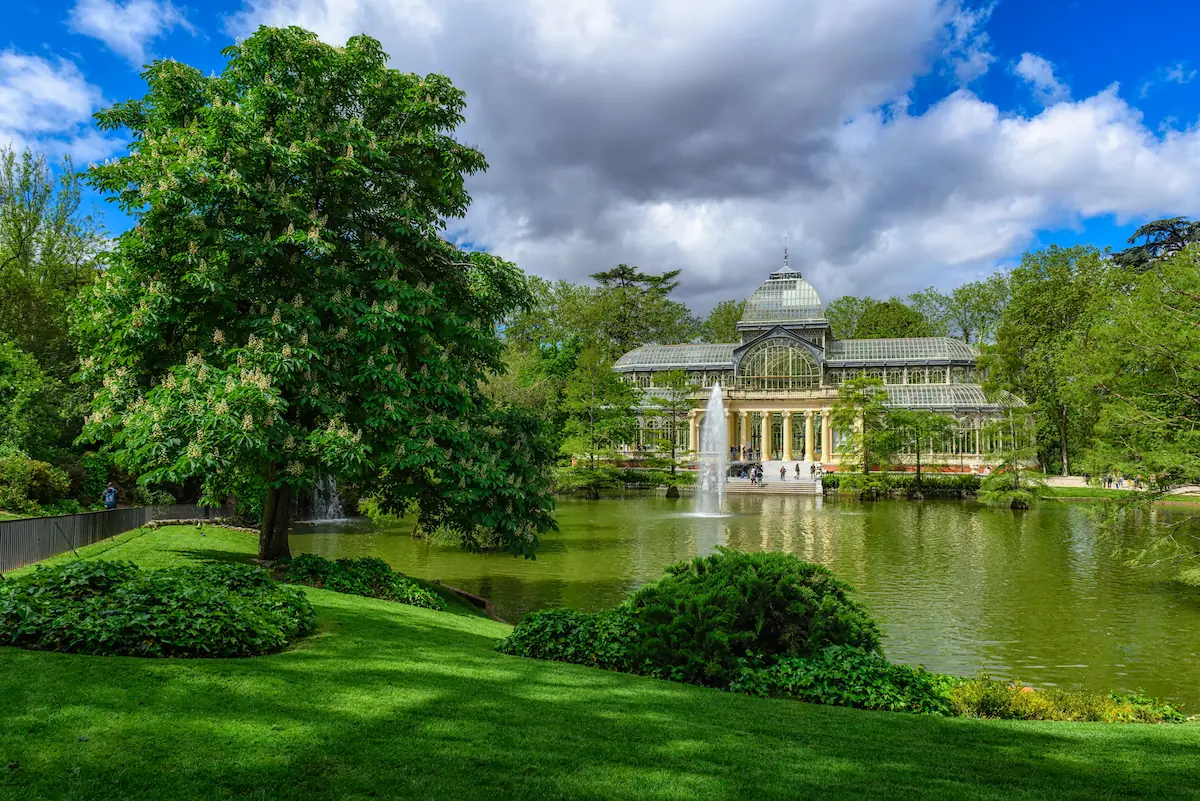
Madrid
Madrid opens the program at the country's administrative and cultural center, a city built for walking between grand nineteenth-century boulevards and contemporary galleries with equal ease.
Day 1 · Private arrival transfer from MAD. Evening orienting walk through the Gran Via and Puerta del Sol with a local licensed guide.
Day 2 · The Prado or the Reina Sofia with a licensed art guide. Afternoon at Retiro Park and the Crystal Palace.
Day 3 · Flexible: a design and architecture walk through Salamanca and Chueca, or a full-day Toledo extension.
Where your group stays: historic center or the Salamanca district, walkable to the Prado and Retiro Park. Specific properties confirmed with the partner before contracting.
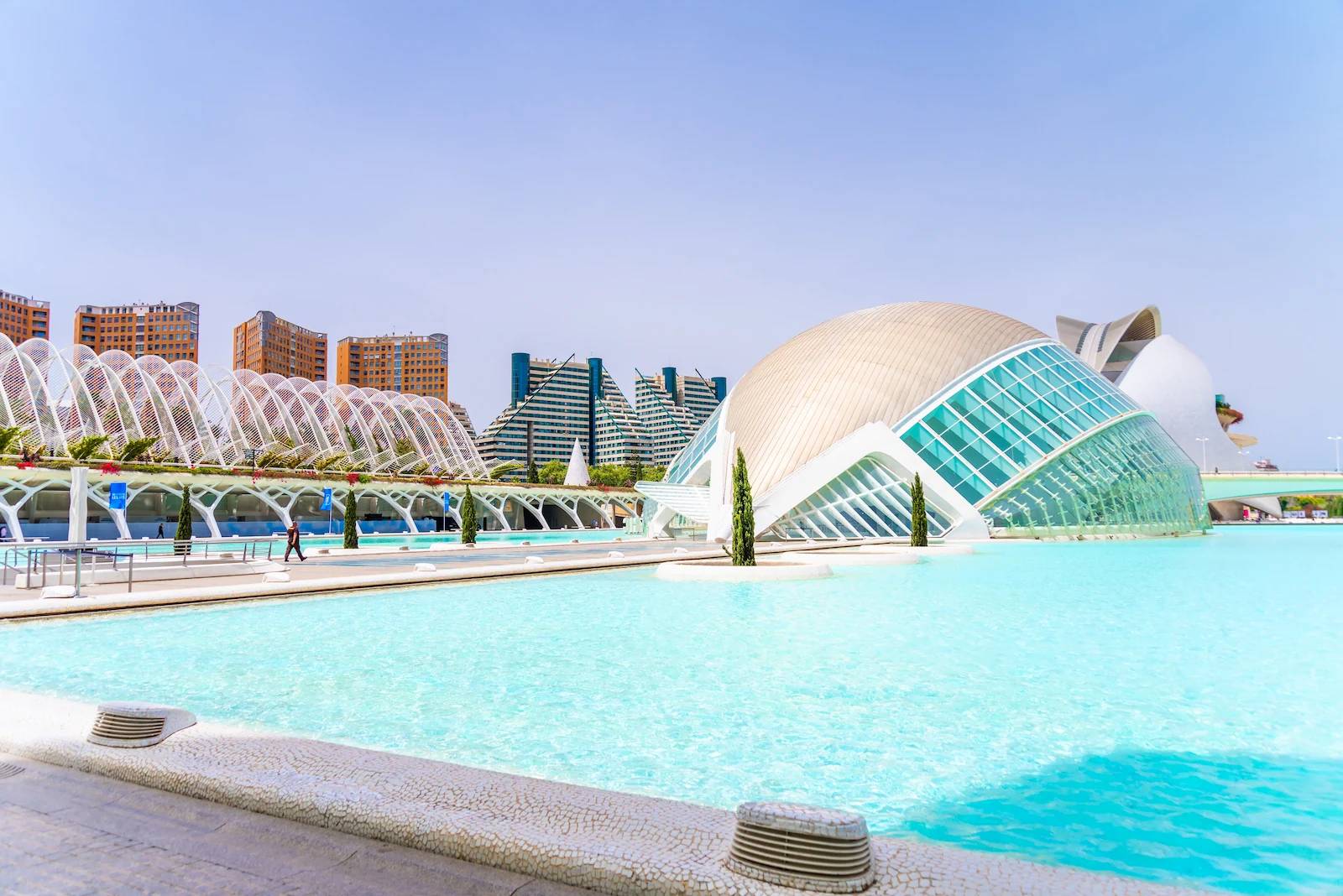
Valencia
Valencia pairs a medieval silk exchange with Santiago Calatrava's City of Arts and Sciences, two eras of architectural ambition standing within walking distance of each other.
Day 4 · AVE from Madrid. Afternoon guided walk through the City of Arts and Sciences complex.
Day 5 · Old town: the Lonja de la Seda, a UNESCO-listed silk exchange, the Central Market, and the Cathedral. Free afternoon.
Day 6 · Flexible: a paella cooking class, or a free day at Malvarrosa beach.
Where your group stays: historic center, walkable to the Lonja and the Central Market.

Barcelona
The program closes in a city that rebuilt its own identity around Gaudi's unfinished cathedral and a grid of Modernist facades planned more than a century ago.
Day 7 · AVE from Valencia. Evening walk through the Gothic Quarter.
Day 8 · Timed entry to the Sagrada Familia with a licensed guide. Afternoon at Casa Batllo and Passeig de Gracia.
Day 9 · Park Guell in the morning. Free afternoon, or a Boqueria Market and tapas circuit.
Where your group stays: the Eixample district or the Gothic Quarter, walkable to Passeig de Gracia.
For advisors
Private to your client and re-paced around them. Net markup or gross billing, whichever fits your practice, on every booking. A dedicated local concierge is available airport to airport.
Request an FIT proposal →For operators
NET rates under per-series contracts, up to 8 departures a year. Holds at 24 travelers per group; a tour leader is recommended alongside local guides on every series departure.
Explore a group or series →On the ground
What Inbound Spain handles on this routing.
Operational detail for the partners evaluating this program for a client or a departure calendar.
Ticketing and allocations
Timed entries for the Sagrada Familia, Park Guell, the Prado or Reina Sofia, and the City of Arts and Sciences are held by Inbound Spain ahead of client flight bookings. Group entry logistics are confirmed against each site's own visitor and guide-ratio rules at the contracting stage.
Transport, door to door
Private transfers at all three airports and group AVE blocks between Madrid, Valencia, and Barcelona. No coach segments or rural driving days on this routing, which keeps transport logistics simpler than on a multi-region program.
Guides and support
Local licensed guides in each city, drawn from Inbound Spain's vetted regional network, and a 24/7 local concierge with a shared communication channel across the tour leader, on-the-ground team, and partner office on every departure.
The boundary
Inbound Spain contracts hotels, ground transport, guides, listed entries, and listed experiences. The partner carries air, tour leader costs, unlisted meals, insurance, and gratuities policy.
Departure calendar
April through June and September through December. Both windows avoid peak summer heat and crowding in all three cities. Barcelona's Festes de la Merce, around September 24, and the Christmas and New Year holiday period across all three cities in December, are priced separately. Series contracting works best at 10 to 12 months; FIT at 4 to 6.
Regions on this routing
Read the ground the program covers: the Madrid guide, the Valencia guide, and the Barcelona guide carry client-fit and planning detail for each city.
Frequently asked questions
What partners ask about High-Speed Spain.
Can High-Speed Spain be re-sequenced or shortened?
Yes. The published routing is the proven baseline, not a fixed product. The program runs in reverse, Barcelona to Madrid, with no operational penalty, since every leg moves by direct AVE either direction. Partners building a shorter week most often trim a night from Valencia rather than cut a city, since Madrid and Barcelona anchor most clients' expectations for this routing.
How does ticketing work for the Sagrada Familia and other marquee sites on this program?
The Sagrada Familia and Park Guell both sell timed entries that book out weeks ahead in peak season. Inbound Spain holds these allocations, along with entries to the Prado or Reina Sofia in Madrid and the City of Arts and Sciences in Valencia, as part of standard planning on every departure. Group series are managed against each site's own visitor and guide-ratio rules, confirmed at the contracting stage for the specific departure size.
Which dates should partners avoid or price differently on this routing?
Barcelona's Festes de la Merce, the week around September 24, falls inside the program's fall season and tightens hotel inventory and pricing in the host city. All three cities also see hotel rates and availability tighten around the Christmas and New Year holiday period in December, with Madrid's Puerta del Sol New Year's Eve gathering drawing particular demand. Partners running a September, or a December, departure should confirm room blocks earlier than usual.
How are hotels selected on this program?
Properties are proposed in or near the historic or design district of each city, walkable to the marquee sites, and reviewed with the partner before contracting. All three cities carry deep hotel inventory at every price point, one of the operational advantages of this routing over programs built around smaller towns. Category and specific properties are confirmed per booking based on the partner's brand and the client or group profile.
What does moderate pace mean on High-Speed Spain?
Two to three hours on foot on a typical touring day, no departures before 8:30, and a free afternoon built into each city base. The routing has no coach transfers or rural driving days; every move between cities is a direct AVE segment under three hours, which keeps travel days lighter than on a multi-region program.
What lead time does this program need for FIT and for series?
Private FIT departures confirm comfortably at 4 to 6 months. Group series contracting works best at 10 to 12 months out, in line with Inbound Spain's standard lead time for securing inventory, guides, and vehicles at scale. A first itinerary draft and pricing follow within five days of a client brief.
Does High-Speed Spain cost more as a private FIT departure than as a group series?
Per-person cost is generally higher for a private FIT departure than for a full group series, since fixed costs, including private guides and private transport, are shared across fewer travelers. High-Speed Spain runs privately for 2 to 7 travelers or as a series for 8 to 24. Exact per-person pricing depends on season, hotel category, and group size and is confirmed at quoting, typically within five days of a client brief.
Is High-Speed Spain suitable for travelers with mobility limitations?
This is the most level-access routing in the portfolio. Madrid's core sights, Valencia's old town and City of Arts and Sciences complex, and Barcelona's Eixample grid are all largely flat, paved, and walkable. Barcelona's Gothic Quarter has some narrow, uneven lanes, and Park Guell includes stepped terraces, but neither requires the sustained hillside walking found on Andalusia or Basque Country routings. Partners should still flag mobility limitations at the brief stage so Inbound Spain can adjust pacing and add private transport between points.
What happens if extreme heat or weather disrupts a day on this program?
The program's April-to-June and September-through-December operating windows are set to avoid peak summer heat in all three cities. Within those windows, Inbound Spain's local team monitors forecasts and can move outdoor walking segments earlier in the day or resequence a walking day against an indoor alternative such as the Prado, the Reina Sofia, or the City of Arts and Sciences' covered halls. Late-year departures can bring cooler temperatures and shorter daylight hours, particularly in December, which Inbound Spain factors into pacing rather than treating as a disruption. There is no separate weather-cancellation policy outside the program's standard terms.
Why does High-Speed Spain skip July, August, and the early months of the year?
July and August bring the heaviest summer heat and crowding to Madrid's and Valencia's outdoor sightseeing, which is why the program's two confirmed windows, April through June and September through December, sit on either side of it. The extended fall window through December adds Christmas-season city touring and Barcelona's winter light displays to the program without any change to the routing or pace. Outside the confirmed windows, the program can still run on request. The AVE rail backbone and deep hotel inventory in all three cities make this one of the most operationally flexible routings in the portfolio to shift by season or group size.