Tempranillo Country
Eight nights across Ribera del Duero and La Rioja, Spain's two defining expressions of a single grape. Tempranillo built both regions' reputations, yet the same variety turns dense and structured around the Duero and brighter, more elegant through Rioja's Ebro valley. Madrid opens the program and closes it, a short stay at the start and a final night before departure, since neither wine region sits near an international airport.
The program
One grape, two regions, no rushing.
Built for wine-focused, culinary, and oenophile travelers, and for partners with a structured wine program already in their catalog. Most wine-touring products on this routing run 3 days from Madrid and back; eight nights gives each region the time a market visit or a single rushed tasting cannot, two to three full days apiece rather than an afternoon detour. Every departure is re-sequenced and re-paced around the client brief; the routing below is the proven baseline Inbound Spain contracts against.
Madrid
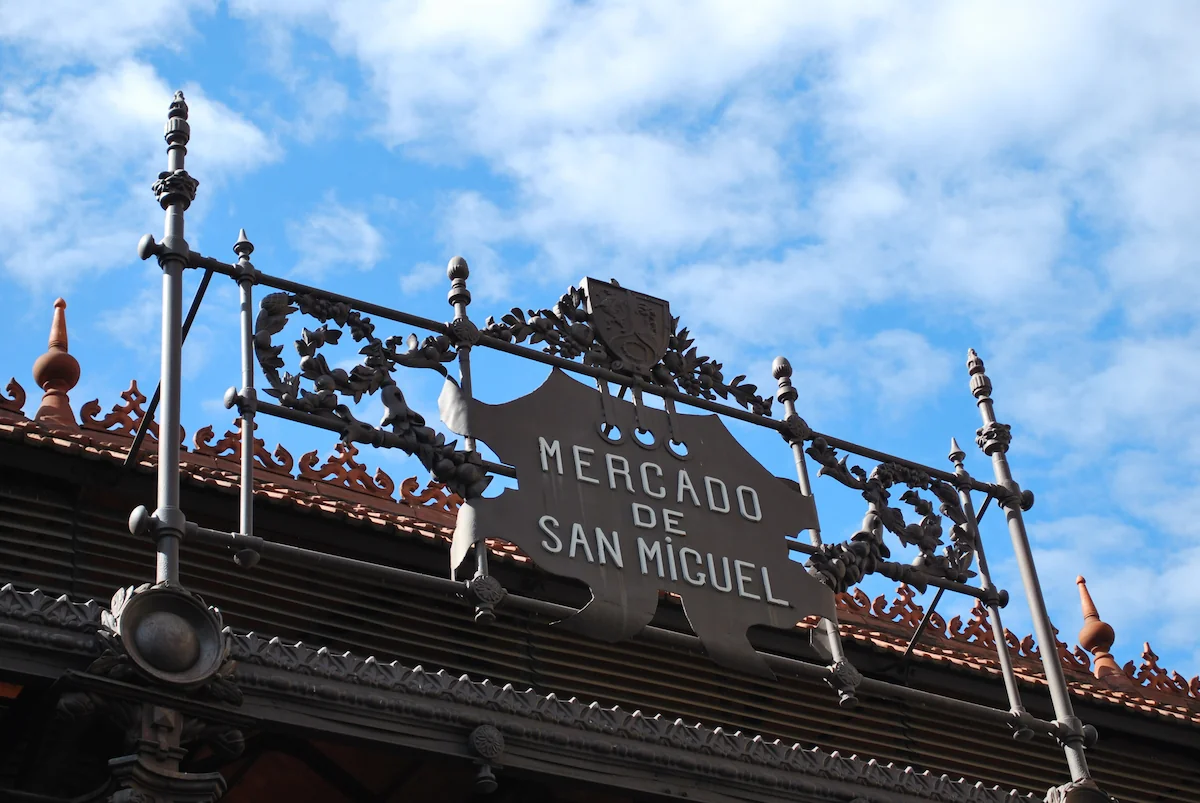
A short opening stay rather than a full city program. Madrid sets the table, literally, with a market and tapas culture that previews the food the wine regions are built to accompany.
Day 1 · Private arrival transfer from MAD. Evening tapas tour through the old town.
Day 2 · The Prado with a licensed art guide. Afternoon tasting tour through one of Madrid's covered markets, ahead of the drive north.
Where your group stays: historic center, walkable to the Plaza Mayor and Puerta del Sol. Specific properties confirmed with the partner before contracting.
Ribera del Duero
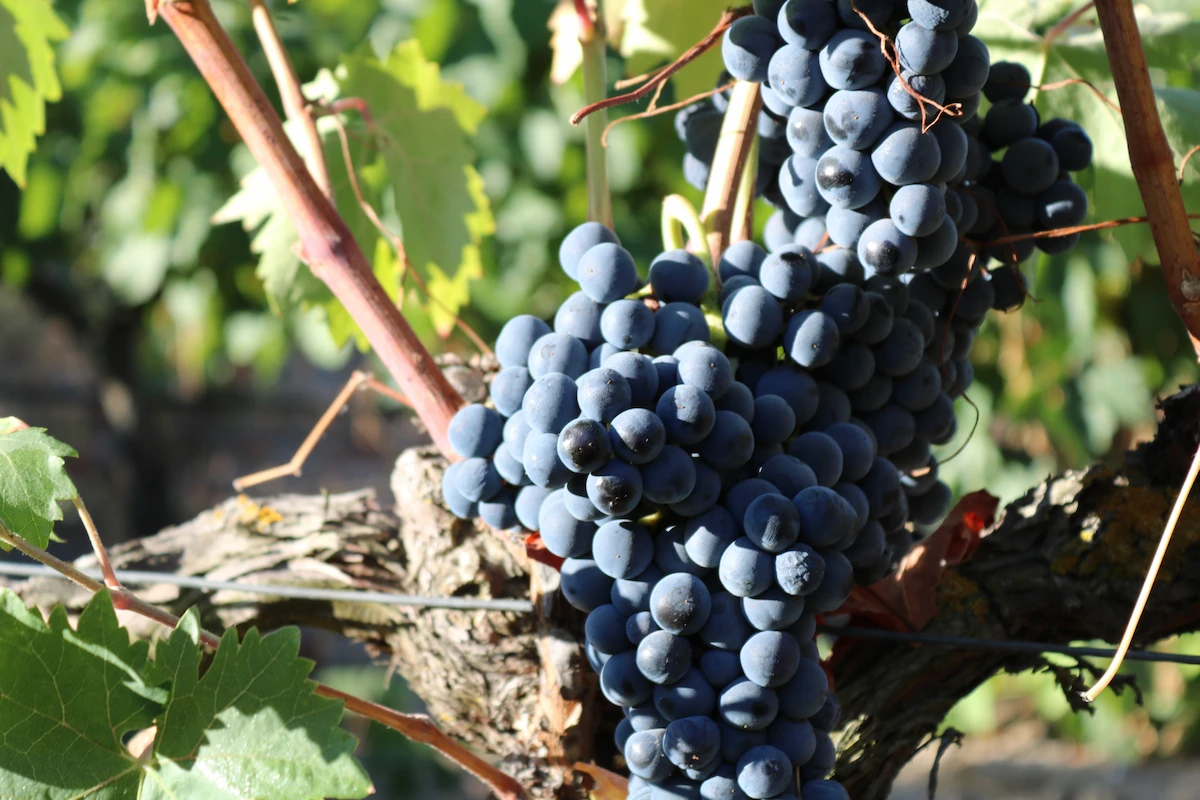
Tempranillo grown along the Duero produces some of Spain's most structured reds, aged in bodegas that range from centuries-old cellars to architect-designed estates. Basing near Valladolid, rather than farther east in Aranda de Duero, opens up the region's strongest hotel inventory, including estate properties attached to working wineries.
Day 3 · Private transfer from Madrid, a brief stop at Segovia's Roman aqueduct en route. Afternoon arrival in the Valladolid area and a welcome winery visit and tasting.
Day 4 · Protos in Peñafiel, its landmark cellar building, and the town's hilltop castle overlooking the vineyards, in the morning. A lechazo lunch, roast lamb cooked over grapevine clippings, at a local asador, then a second, family-run producer in the afternoon.
Where your group stays: near Valladolid, in the heart of Ribera del Duero's estate hotels. Specific properties confirmed per booking.
La Rioja
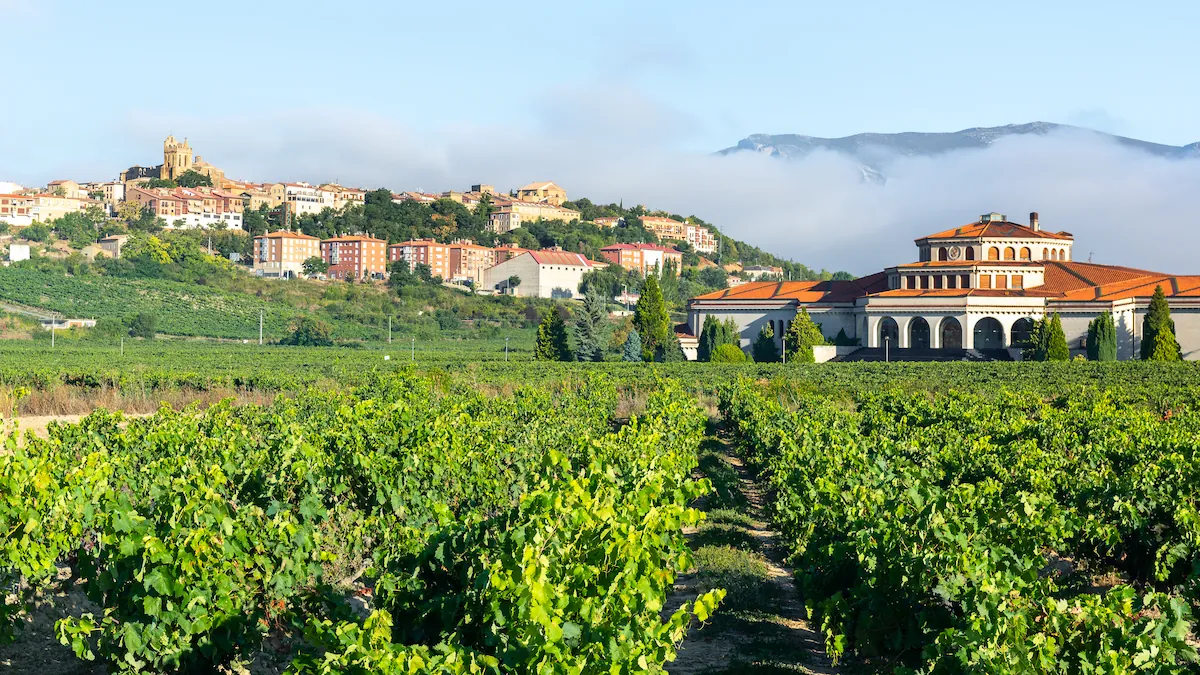
The same grape, a different climate, and a different result: brighter fruit, softer tannin, and a wine culture built around three centuries of trade along the Ebro. Logroño's Calle Laurel pairs the region's wine with some of northern Spain's best pintxos.
Day 5 · Private transfer to Logroño. Evening orienting walk through the old town and a pintxos crawl along Calle Laurel.
Day 6 · Rioja Alavesa: the Frank Gehry-designed building at Marqués de Riscal, viewed from the outside, followed by an intimate tasting at a small, locally-owned winery and lunch at a local bistro.
Day 7 · Rioja Alta: Haro's historic wine district and a traditional bodega barrel and blend tasting. Free evening.
Where your group stays: Logroño, walkable to the old town and Calle Laurel.

Madrid (return)
La Rioja's regional airport serves domestic routes only, so the program closes back where it started. A return night in Madrid protects the international flights waiting the next morning from a delayed transfer or a wine-country day that runs long.
Day 8 · Private transfer to Madrid. Free evening; a farewell dinner can be arranged at leisure.
Day 9 · Private departure transfer to Madrid (MAD).
Where your group stays: near the airport or in the historic center, depending on flight times. Confirmed per booking.
For advisors
Private to your client and re-paced around them. Net markup or gross billing, whichever fits your practice, on every booking. A dedicated local concierge is available airport to airport across the full loop, including the return to Madrid before departure.
Request an FIT proposal →For operators
NET rates under per-series contracts, up to 8 departures a year. Holds at 24 travelers per group, with vineyard and cellar access confirmed per property; a tour leader is recommended alongside local guides on every series departure.
Explore a group or series →On the ground
What Inbound Spain handles on this routing.
Operational detail for the partners evaluating this program for a client or a departure calendar.
Winery access and reservations
Tasting and cellar appointments across both regions are held ahead of client flight bookings. The most requested properties, including landmark estates in Rioja Alavesa, fill well in advance for harvest season. Vineyard and cellar access is confirmed per property at the contracting stage, particularly for groups above 18 travelers.
Transport, door to door
Private transfer at Madrid-Barajas and private vehicle for the full routing, since no rail line serves winery access directly in either region. The Segovia aqueduct stop is worked into the Madrid to Ribera del Duero drive without adding a night, and the closing transfer back to Madrid, about 3.5 hours from Logroño, is timed to protect the next morning's international departure.
Guides and support
Local wine guides in Ribera del Duero and La Rioja, drawn from Inbound Spain's vetted regional network, and a 24/7 local concierge with a shared communication channel across the tour leader, on-the-ground team, and partner office on every departure.
The boundary
Inbound Spain contracts hotels, ground transport, guides, listed winery visits, and listed experiences. The partner carries air, tour leader costs, unlisted meals, insurance, and gratuities policy.
Departure calendar
April through May and September through October. September, harvest season in both regions, carries the highest demand; top winery inventory fills 9 to 12 months out for that window. Series contracting works best at 10 to 12 months; FIT at 4 to 6.
Regions on this routing
Read the ground the program covers: the Madrid guide carries client-fit and planning detail for the capital. Ribera del Duero and La Rioja are covered at the program level here; neither wine region has a standalone destination guide yet.
Frequently asked questions
What partners ask about Tempranillo Country.
Can Tempranillo Country be re-sequenced or shortened?
Yes. The program runs in reverse, La Rioja to Ribera del Duero to Madrid, with no operational penalty. Partners who want a shorter program can drop the closing Madrid night and transfer directly to Bilbao instead for a same-day connecting departure, cutting the total to 7 nights.
How does this program get travelers back to Madrid for international flights?
La Rioja's regional airport serves only domestic routes, so the program closes with a private transfer back to Madrid, about 3.5 hours, and an overnight before departure rather than a same-day connection. This protects international flight connections from a delayed transfer or a wine-country day that runs long. Partners who prefer a shorter program can drop the closing Madrid night and transfer directly to Bilbao instead, about 1.5 to 2 hours, for a same-day departure on a connecting itinerary.
How does winery access and reservation work on this program?
Wineries in both regions require advance reservation, and the most requested properties book well ahead. Inbound Spain holds tasting and cellar appointments before client flights are booked. Vineyard and cellar access is capacity-limited at some properties above 18 travelers, confirmed per property at the contracting stage.
Which dates should partners avoid or price differently on this program?
September, harvest season in both regions, carries the highest demand. Top winery inventory fills 9 to 12 months out for harvest dates, and hotel rates near Valladolid and in Logroño tighten accordingly. April and May offer flowering vineyards, comparable weather, and materially lighter demand for partners who want more availability at contracting.
How are hotels selected on this program?
Properties are proposed in Madrid's historic center and in or near each wine region's town base, the Valladolid area for Ribera del Duero and Logroño for La Rioja. Category and specific properties are confirmed per booking based on the partner's brand and the client or group profile, rather than fixed in advance for every departure.
What does moderate pace mean on Tempranillo Country?
Typically two winery visits a day with a seated lunch built around one of them, and no departures before 9:30, since most wineries do not open earlier. Free time is built into the program in both wine regions for clients who want to slow down further or revisit a favorite producer.
What lead time does this program need for FIT and for series?
Private FIT departures confirm comfortably at 4 to 6 months outside harvest season. Group series contracting works best at 10 to 12 months out, and harvest-season departures of either format benefit from locking winery appointments as early as possible given how far in advance top properties fill. A first itinerary draft and pricing follow within five days of a client brief.
Does Tempranillo Country cost more as a private FIT departure than as a group series?
Per-person cost is generally higher for a private FIT departure than for a full group series, since fixed costs, including the private vehicle used throughout the program and private winery appointments, are shared across fewer travelers. Tempranillo Country runs privately for 2 to 7 travelers or as a series for 8 to 24. Exact per-person pricing depends on season, hotel category, and group size and is confirmed at quoting, typically within five days of a client brief.
Is Tempranillo Country suitable for travelers with mobility limitations?
Madrid and both wine region towns are largely walkable on paved streets. Winery visits are the variable: vineyard walks cross uneven ground, and cellar tastings at older bodegas often involve stairs down to underground barrel rooms with no lift alternative. Partners should flag mobility limitations at the brief stage, since Inbound Spain can prioritize properties with ground-floor tasting rooms but cannot substitute level access at every cellar on the routing.
What happens if weather disrupts a day on this program?
Spring departures can meet rain in the vineyards, which does not cancel a visit but does move the walking portion indoors to the cellar and tasting room. September departures fall in the operating season specifically because peak Andalusia-level heat is not a factor this far north, though early autumn afternoons can still run warm during harvest. Inbound Spain's local team adjusts the day's outdoor time around forecasts; there is no separate weather-cancellation policy outside the program's standard terms.